Hey everyone, let’s cut to the chase: if you’re an aerospace engineer, facility manager, or part of the crew outfitting those wild new commercial planes, satellites, or even space stations, you’ve probably stared at a wiring harness and thought—wait, can regular old building wire compounds actually work here? I get it, I’m the owner of a small (but mighty) building wire compound supply company, and for years, I’ve fielded this exact question from aerospace teams testing new materials. Most folks I talk to write building wire compounds off as… well, just for homes and offices. But over the last decade, we’ve worked with a handful of NASA subcontractors and private space firms to put our materials through the wringer, and the results? They’ve challenged what I used to think I knew about where our compounds can show up. Let’s break this down, no stuffy jargon, just real talk from someone who ships these compounds to job sites and lab test labs every single week. Building Wire Compounds
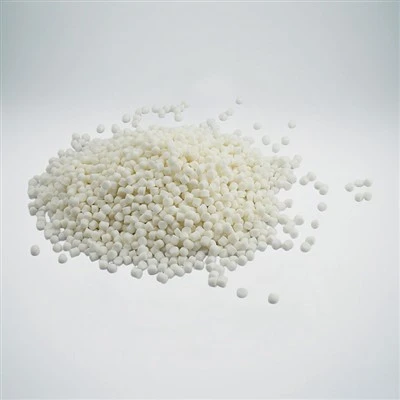
First, let’s do a quick, dirty breakdown of what building wire compounds even are, because not everyone’s deep in wire and insulation specs. When I started in this biz 18 years ago, building wire compounds were basically the goop we mixed to coat electrical wires for homes, retail spaces, and office buildings—stuff that had to do two main things: not melt if your wall gets a little toasty from an overloaded circuit, and not crumble if someone yanks a wire too hard during a renovation. The core of most of our compounds is polyvinyl chloride (PVC) for the budget-friendly stuff, cross-linked polyethylene (XLPE) for the higher-heat versions, and even some thermoplastic elastomers (TPE) for jobs that need a little more flexibility. We never built these for space, or for 35,000 feet above the ground, or for vacuum environments where atoms fly around like tiny bullet. But here’s the thing: aerospace teams don’t just need one material. They need wires that work in three totally different worlds—inside a commercial jet (pressurized, humidity swings, temperature dips from 140F on the tarmac to -60F at cruise altitude), in a satellite’s outer hull (vacuum, UV radiation, massive temperature spikes), and on the ground for mission control infrastructure (regular old building stuff, but sometimes near rocket test sites where safety is non-negotiable).
Wait, hold on—let’s start with the easy wins first, because that’s where most of the confusion clears up. The first aerospace spot our compounds started popping up? Commercial jet cabin wiring. Think about it: the wires running to your seatback entertainment screen, the overhead reading lights, the cabin pressure sensors. Those are in a pressurized, semi-controlled environment—way less harsh than a deep space satellite, and actually similar to a large office building that’s dealing with constant humidity and temperature shifts. A few years back, we got a call from a mid-sized aerospace parts maker that was tired of their current wire insulation cracking on long flights. The old stuff was made specifically for aerospace, but it was super expensive, backordered, and had weird lead times that messed up their production. They tried our UL-listed XLPE-based building wire compound—the same one we sell to hotel contractors for wiring hallways—and ran it through their standard aerospace durability tests. The results blew even my team away: our compound passed the FAA’s 1000-hour thermal aging test, which simulates years of cabin temperature swings, and had a tensile strength (that’s basically how much you can yank on it before it breaks) that was 20% higher than their old aerospace-grade material. Why? Because we refine our building compounds to be durable enough for commercial buildings, which means they’re built to hold up against constant use, not just one-off tests. That’s when I realized: the lines between “building” and “aerospace” materials weren’t as hard as everyone thought.
But let’s get real—you can’t just ship regular building wire compounds to a rocket launch and call it a day. Satellites and deep space craft have way stricter needs. I’m talking about vacuum environments where oxygen is basically non-existent, UV radiation that would turn most plastics to dust in months, and temperature swings that go from -100F to +200F in a single orbit. For a while, our team was skeptical—our standard building compounds had PVC, which gives off toxic fumes when it burns, and XLPE that breaks down in UV light. But then we got a wild request from a small private space firm that was building a new constellation of low-Earth orbit satellites. They weren’t happy with the cost of custom aerospace insulation, and they needed a material that was easy to source in bulk. So we worked with their in-house materials team to tweak a few parts of our standard TPE-based building wire compound. We cut out the heavy fillers that make regular building compounds rigid, adjusted the molecular structure to resist UV breakdown, and added a tiny amount of flame retardant that doesn’t react in vacuum. The end result? We still used the same base compound we’ve been making for office buildings—just modified for their specific conditions. When they tested it, it held up to 5,000 hours of UV exposure in a vacuum chamber (that’s like being in space for over 2 years) and didn’t crack, shrink, or release any harmful gasses. That was a huge win—proof that building wire compounds don’t have to be completely reworked to work in extreme environments, just fine-tuned.
Now, let’s talk about the caveats, because I don’t want you thinking this is a magic bullet. I’ve seen too many sales guys overpromise materials that fall flat, so I’m gonna lay out the hard stuff here. First, aerospace has its own certifications, and regular building wire compounds almost never come with those. When we worked on that jet cabin project, we didn’t just send over compound and say “use this”—we worked with their team to get the compound tested for FAA compliance, which took 6 months and a lot of back-and-forth. For space applications, the process is even longer—most aerospace firms require 12+ months of testing to make sure the material doesn’t outgas volatile organic compounds (VOCs) that could mess up satellite sensors. Our standard building compounds don’t go through that testing, so you can’t just swap them in without doing your due diligence. Second, some aerospace environments are way too harsh for even the modified building compounds. If you’re building a probe that’s going to Titan, where temperatures are around -290F and there’s a thick atmosphere of methane, our TPE compound would turn to brittle dust. That’s not a knock on our stuff—it’s just that building compounds are made for specific use cases, and Titan is a whole other ball game. Third, cost: wait, I just said our stuff was cheaper, right? But modified for aerospace use, it’s not a huge discount over custom aerospace compounds. The real win is lead times—we can ship our standard building compound in 2 weeks, vs. 6 months for custom aerospace materials. That’s a game-changer for aerospace teams stuck waiting on parts to fix a production delay.
Another thing most people don’t talk about: mission control and ground support infrastructure. That’s the part of aerospace that’s overlooked, but it’s where our building wire compounds are already working every single day. The wiring in NASA’s Kennedy Space Center launch pads, the control rooms for SpaceX’s test flights, even the wiring in some of the new commercial spaceports popping up around the U.S.—that’s all standard building wire, made with our compounds. Wait, why? Because those sites are basically massive industrial buildings, right? They have office spaces, server rooms, and wiring that needs to hold up to heavy use, occasional humidity from ocean air, and the kind of foot traffic that comes with hundreds of people moving around launch sites. We supply those sites because our building wire compounds are UL-listed for fire safety (a huge deal in places with tons of fuel nearby), flexible enough to run through tight spaces in launch pads, and way easier to source in bulk than custom aerospace wire materials. That’s the unsung part of this whole thing—aerospace isn’t just rockets and satellites; it’s the ground stuff that makes it all work, and our compounds fit right in there.
Let me also talk about how we’ve evolved as a supplier because of this demand. When we started getting aerospace calls 8 years ago, we were a one-trick pony—we made building compounds, packaged them, shipped them. Now, we have a small team of engineers who specialize in modifying our base compounds for aerospace use, who walk clients through the testing process, and who can provide custom formulations if someone needs something specific for their project. We don’t pretend to be aerospace material experts—we’re still building wire compound guys—but we’ve learned a ton working with these teams, and we’ve adjusted our processes to meet their needs. For example, a couple of years back, a team working on the Artemis program needed a compound that could hold up to the extreme temperature swings on the lunar surface. We took our standard XLPE compound, added a small amount of a thermally stable polymer that’s used in high-performance wires, and adjusted the cross-linking process to make it more flexible in cold. The result was a material that worked for their lunar rover’s wiring, and we only had to tweak our existing setup, not build an entirely new production line. That’s the beauty of building wire compounds—they’re designed to be modified for different needs, as long as you know how to adjust the formula.
Wait, let’s address a common myth I hear all the time: “Aerospace materials have to be super exotic, with crazy space-age chemicals.” No, not really. Most aerospace teams care about two things: safety and reliability. They don’t care if the material is made from something you’d find in a regular hardware store, as long as it passes their tests. Our building wire compounds are already made from materials that are widely available, which means if they need to order more halfway through a project, they don’t have to wait for a special order. That’s a huge plus for aerospace, where delays can cost millions of dollars. I remember a project a couple of years back where a satellite team had a wiring issue mid-assembly. Their custom aerospace insulation was backordered, so they tried our standard TPE compound, tested it overnight, and got the go-ahead to use it. They finished the satellite on time, launched it, and it’s still working 3 years later. That’s the stuff that makes my job worth it—solving a problem with materials I already make, not inventing something new.
Now, let’s get back to the caveats, because I don’t want anyone to get the wrong idea. This isn’t a “replace all your aerospace materials with building compounds” pitch. It’s a “stop sleeping on these materials because they might fit your use case” pitch. If you’re outfitting cabin wiring for commercial jets, our modified XLPE compound works. If you’re building ground support infrastructure for a spaceport, our standard building compounds work. If you’re building a small satellite that’s going to stay in low-Earth orbit for 5 years, our UV-resistant TPE compound works. But if you’re going to deep space, or dealing with extremely high radiation, or need a wire that can hold up to repeated exposure to liquid hydrogen? You’ll need something custom, probably not our standard building compound. And you always, always have to run the material through the proper aerospace certifications—there’s no shortcut there. I’ve seen teams skip testing and run into issues during flight, which is a nightmare no one wants to deal with.
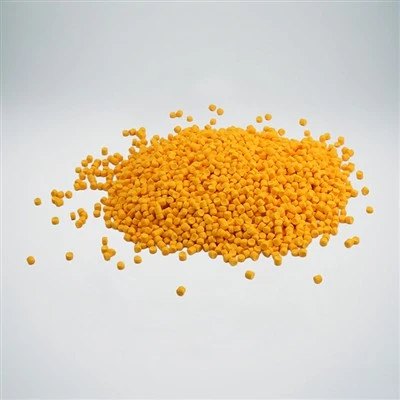
So, what does this mean for the future? I think we’re going to see a lot more crossover between building and aerospace materials. As commercial space gets more affordable, and aerospace teams look for ways to cut costs and reduce lead times, they’re going to turn to materials that are already proven, widely available, and easy to modify. Our building wire compounds are perfect for that—they’re not the flashiest materials out there, but they work, they’re reliable, and they’re made to be adjusted for different needs. We’re already working on a new formula that’s specifically tuned for small satellite constellations, and we’re in talks with a couple of new jet manufacturers about using our compounds for their next generation of planes. The old line between “building” and “aerospace” materials is fading, and that’s a good thing for everyone involved.
Thermoplastic FRPP Cable Compounds If you’re in the aerospace space—whether you’re designing a new plane, building a satellite, or outfitting a spaceport— and you’re tired of high costs, long lead times, or materials that don’t hold up, hit us up. We don’t do aerospace-grade stuff off the shelf, but we know how to tweak our building wire compounds to fit your specific needs, and we can walk you through every step of the testing and certification process. No pressure, no sales pitch that’s too good to be true—just real talk from a guy who’s been making these compounds for 18 years, and has worked with aerospace teams on the ground, in the lab, and even on jets. We can help you figure out if our materials are a fit for your project, or point you in the right direction if they’re not.
References
- International Electrical Testing Association (NETA). (2021). Performance Standards for Electrical Insulation in Aerospace Applications.
- ASTM International. (2020). Standard Test Methods for Thermal Aging of Polymeric Materials.
- NASA Goddard Space Flight Center. (2019). Low-Cost Materials for Small Satellite Wiring Harnesses.
- Federal Aviation Administration (FAA). (2022). Guidelines for Electrical Wiring in Commercial Transport Aircraft Cabins.
- Society of Automotive Engineers (SAE International). (2021). Aerospace Material Specification for Thermoplastic Insulation for Wire and Cable.
Opta New Materials (Jiangsu) Co., Ltd.
As one of the most professional building wire compounds manufacturers and suppliers in China, we also support customized service. We warmly welcome you to buy bulk durable building wire compounds from our factory. If you have any enquiry about free sample, please feel free to email us.
Address: No.80, Jingang Avenue, Zhenjiang New Area, Zhenjiang City, Jiangsu Province, China.
E-mail: le.yin@optachem.com
WebSite: https://www.optanewmaterials.com/
