If you’re someone who works with metal—whether you’re a fabricator, a machinist, or just someone who’s ever wondered why a wrench bends and a drill bit doesn’t—you’ve probably heard the terms “carbon steel” and “tool steel” thrown around. As a carbon steel supplier, I get asked this question all the time: “Wait, aren’t they the same thing?” Spoiler: Nope. They’re cousins, sure, but they’ve got totally different jobs, compositions, and personalities. Let’s break it down like we’re chatting over coffee, no boring textbook jargon (okay, maybe a little, but only the stuff that actually matters). Carbon Steel

First, let’s start with the basics: what even is steel, anyway? It’s an alloy of iron and carbon, right? But the amount of carbon changes everything. Both carbon steel and tool steel fall on that spectrum, but here’s where they split. Carbon steel, the stuff I supply day in and day out, is basically iron with up to 2% carbon added. That’s it. No fancy extra elements (well, maybe tiny traces of manganese or silicon to make it easier to work with, but nothing major). The amount of carbon is what gives it the name—low-carbon (less than 0.3%), medium (0.3-0.6%), high (0.6-2%). I sell all three, depending on what a customer needs.
Tool steel, on the other hand, is a whole different animal. It’s still an iron-carbon alloy, but it’s loaded with extra elements—think chromium, vanadium, molybdenum, tungsten, even cobalt. These aren’t just add-ons; they’re what make tool steel hard, durable, and able to stand up to extreme heat or friction. Wait a second, though—some tool steels do have high carbon content, right? So why isn’t that just carbon steel? Great question. Because carbon steel’s carbon is all about strength or hardness at room temp, while tool steel’s carbon works with those extra elements to create something way more specialized.
Let’s talk about how these two behave when you use them, because that’s where the rubber meets the road (pun totally intended). I recently had a customer come to me confused because he thought he could use my medium-carbon steel to make a set of drill bits for his workshop. Spoiler: That didn’t go well. My carbon steel is perfect for things like structural beams, automotive parts, pipes, or even your average wrench—stuff that needs to be strong, formable, and affordable. You can bend it, weld it, cut it without too much hassle, and it won’t cost you an arm and a leg. For example, low-carbon steel is super soft—you can drill through it with a regular hand drill no problem, but it’ll dull a drill bit fast. High-carbon steel, the stuff I use to make springs or high-tension bolts, is way harder, but if you heat it too much (like if you’re grinding it), it’ll lose its hardness and turn all mushy.
Tool steel? It’s built for abuse. Drill bits, taps, dies, molds for plastic injection—those are tool steel. Why? Because it can withstand way higher temperatures without softening. If you’re grinding a tool steel drill bit, it can handle the heat from the grinding wheel without turning into a blob. Also, those extra elements make it wear-resistant. That same drill bit made from tool steel will drill through dozens of pieces of carbon steel before it dulls, whereas a carbon steel drill bit would be toast after two or three. But here’s the catch: tool steel is way less formable than carbon steel. You can’t bend a tool steel part into a curved shape easily—it’s way too brittle, and it’s way more expensive. I’ve had customers ask for tool steel for a simple bracket that needs to be welded; I always tell them, “Save your money—carbon steel will work way better here.”
Let’s dive a little deeper into composition to make this clear, no jargon promise. Carbon steel’s main variable is carbon content. Low-carbon (mild) steel is like 0.05-0.3% carbon—super ductile, easy to weld, used for everything from car bodies to nails. Medium-carbon is 0.3-0.6% carbon—stronger, a little less bendy, great for gears, axles, and construction materials. High-carbon is 0.6-2% carbon—super hard, but brittle, used for knives, springs, and cutting tools (wait, but not industrial drill bits—those are tool steel, remember?). I always stock all three because different jobs need different carbon levels. For example, a customer building a fence needs low-carbon steel; a customer making a truck axle needs medium-carbon; a customer making a watch spring needs high-carbon.
Tool steel’s composition is where it gets its superpowers. Let’s take high-speed steel (HSS), the most common tool steel for drills. It has about 0.7% carbon, plus tungsten and molybdenum—those are the elements that let it stay hard at up to 1000°F, which is way hotter than carbon steel can handle. Then there’s cold-work tool steel, which has chromium added for wear resistance—used for stamping dies or measuring tools. Hot-work tool steel has chromium and molybdenum to handle heat from forging or molding. The key difference here is that tool steel isn’t just about carbon; it’s about the alloying elements working with carbon to create specific properties that carbon steel alone can’t match.
Now, what about cost? That’s a big one for most people. As a carbon steel supplier, I can tell you straight up: carbon steel is way more affordable than tool steel. Why? Because it’s simpler to make. You melt iron, add some carbon, maybe a little manganese, and you’re good to go. Tool steel requires those extra alloying elements, and it’s usually processed more—like heat-treated multiple times to get that special hardness. So if you don’t need the specialized properties of tool steel, using carbon steel saves you a ton of money. I had a customer last month who tried to use tool steel for a batch of simple bolts; when I quoted him carbon steel, he saved almost 60% on the total cost. He was shocked, but it makes sense—those bolts don’t need to drill through metal, they just need to hold two pieces together.
Wait, let’s talk about heat treatment too, because that’s where a lot of people mess up. Carbon steel is heat-treated, but the process is straightforward. For example, if you want to harden high-carbon carbon steel, you heat it up to a certain temperature, quench it in water or oil, then temper it to reduce brittleness. That works because the only thing changing is the carbon’s structure. Tool steel’s heat treatment is way more complex. You can’t just quench it in water—it might crack. You have to use specific quenchants, and sometimes you even have to heat it multiple times to get those alloying elements to mix properly. If you do it wrong, tool steel can be brittle or not hard enough—way more room for error than with carbon steel.
Let’s use a real-world example to make this stick. Think of a kitchen knife. A regular chef’s knife that you use to cut vegetables is often made of high-carbon carbon steel—it’s sharp, easy to sharpen, and affordable. But a professional chef’s knife for cutting through bone? That’s usually tool steel. Why? Because it stays sharp longer, can handle more force without chipping, and won’t dull as fast. But you wouldn’t make a chef’s knife out of tool steel for home use, right? It’s way too expensive, and if you drop it, it might chip (whereas a carbon steel knife would just bend, which you can hammer back into shape, though you’d have to re-sharpen it). That’s the key trade-off: tool steel is specialized and durable, but carbon steel is versatile and cheap.
Another common question: can carbon steel and tool steel be used for the same thing? Only in a pinch, and usually not well. Let’s say you need a small part that needs to be hard. If you use high-carbon carbon steel, it’ll be hard, but if it gets hot (like if you’re using it in a machine that rubs a lot), it’ll soften. A tool steel part would stay hard, but it’d be more expensive and harder to machine. I had a customer who used carbon steel for a set of cutting blades; they worked fine for a week, then dulled because the blade was rubbing against other parts and the heat made the carbon steel soft. When he switched to tool steel, the blades lasted three times longer, but it cost twice as much. So it’s a matter of what you need for the job.
As a carbon steel supplier, I always make sure to ask customers specific questions before they order: what is this part going to do? What environment will it be in? Do you need it to be weldable? Do you need it to stand up to heat? Because a lot of people come in thinking “steel is steel,” and that’s where they waste money or end up with a part that doesn’t work. For example, if someone needs a pipe for a gas line, they need carbon steel—you can’t use tool steel, it’s way too expensive and not designed to be welded into a long pipe. If someone needs a mold for making plastic cups, they need tool steel—carbon steel would warp from the heat of the plastic.
Let’s clear up another myth: not all carbon steel is the same. I’ve had customers ask for “carbon steel” and get a quote, but then they realize there are so many grades. A36 is the most common structural carbon steel, great for buildings. 1018 is low-carbon, easy to machine, used for shafts and bolts. 1045 is medium-carbon, stronger, used for gears. Each of these is carbon steel, but they have different carbon levels and slightly different properties. Tool steel also has grades—HSS is M2, D2 is a cold-work tool steel, S7 is a shock-resistance tool steel. So even within each category, there’s variation, but the core difference remains.
What about corrosion resistance? That’s another big one. Neither carbon steel nor tool steel is great at rusting, right? Wait, actually, tool steel can have chromium added, which makes it a little more corrosion-resistant than regular carbon steel. But that’s not why tool steel exists—its main job is hardness and heat resistance. Carbon steel rusts really easily if you don’t paint or coat it, which is why structural steel beams are coated with paint or epoxy. Tool steel might have a thin layer of chromium, but if you leave it outside uncoated, it’ll still rust, just a little slower. Stainless steel is a whole other thing, but we’re not talking about that here.
Let’s wrap this up, because I know we’ve covered a lot. The main differences, in a nutshell:
- Composition: Carbon steel is iron + up to 2% carbon, with minimal alloying elements. Tool steel is iron + carbon + lots of alloying elements (chromium, vanadium, tungsten, etc.).
- Purpose: Carbon steel is for general use—structural parts, automotive, pipes, parts that need to be formable and affordable. Tool steel is for specialized use—drill bits, molds, cutting tools, parts that need to withstand heat, friction, or extreme force.
- Properties: Carbon steel is formable, weldable, affordable, and loses hardness when heated. Tool steel is hard, wear-resistant, heat-resistant, more expensive, and less formable/brittle.
- Cost: Carbon steel is way cheaper than tool steel, because it’s simpler to produce.
If you’re still not sure which one you need, don’t guess—reach out. As a carbon steel supplier, I’ve worked with all kinds of customers, from small hobbyists to big fabrication companies, and I can help you pick the right material for your job. Whether you need a small batch of brackets, structural beams for a new building, or parts for a machine, I can give you a fair quote and make sure you get exactly what works, without wasting money on something you don’t need.
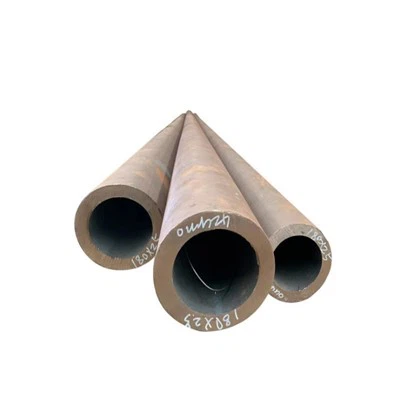
So next time someone asks you the difference between carbon steel and tool steel, you can tell them it’s all about purpose. One’s the workhorse, the other’s the specialist. And if you’re in the market for carbon steel, feel free to get in touch to chat about your specific needs—we can work out what’s best for your project, no sales pitch, just straight talk about metal that actually gets the job done.
Stainless Steel Profile References:
- ASTM A36/A36M-19, Standard Specification for Carbon Structural Steel.
- ASM International. (2019). Tool Steel: Properties and Applications. Materials Park, OH: ASM International.
- Kalpakjian, S., & Schmid, S. R. (2021). Manufacturing Processes for Engineering Materials (8th ed.). Pearson.
- World Steel Association. (2022). Steel vs. Other Materials: Carbon Steel Basics. Brussels, Belgium: World Steel Association.
Jiangsu Cunrui Metal Products Co., Ltd.
As one of the most experienced carbon steel manufacturers in China, we also support customized service. Please rest assured to buy cheap carbon steel for sale here from our factory. If you have any enquiry about pricelist and free sample, please feel free to email us.
Address: 32-117,119, Nanfang Stalnless Steel Trading Conter, Wuxi,Jiangsu, China
E-mail: karen@cunruimetal.com
WebSite: https://www.cunruimetals.com/
