Let me tell you a story from the job site that still gives me a slight shudder. Two years ago, we had a critical heavy lift project: moving a 120-ton turbine from the port to a newly built power plant 45 kilometers inland. Everything was on track—our route was surveyed, our cranes were prepped, the client’s team was ready to receive. Then the weather forecasts shifted. In an area where rain was historically rare that time of year, a Category 2 tropical depression was predicted to pass directly through our route window. For 48 hours, we sat idle. The client’s stress was palpable; their timeline was tied to regulatory deadlines. But here’s what they didn’t know then—this was not our first weather delay rodeo. We’d built a system over a decade of heavy lift projects that turns weather disruptions from a crisis into a managed part of the job. Today, I want to walk you through how we do it, because heavy lift projects aren’t just about moving big things—they’re about anticipating the chaos that weather can bring, and turning that chaos into a plan. Project And Heavy Lift
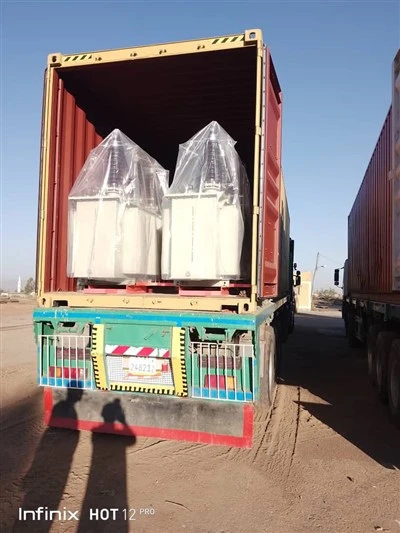
First, let’s be clear: heavy lift projects live or die by data, not guesswork. When a weather event is on the horizon, half the battle is getting accurate, hyper-local forecasts—not the generic 5-day updates you see on the nightly news. Early in my career, I relied on standard meteorological feeds, and I paid for it. A 2018 project moving a 90-ton refinery component ran into a sudden gust of wind that toppled our temporary support structure, costing us $200k in damages and a 10-day delay. That mistake taught me that generic forecasts for a 50-mile radius are useless for heavy lift, where wind speeds can shift drastically over a 10-kilometer stretch, and even a light drizzle can turn a dirt access road into a mud pit that traps a 150-ton crane. Now, our team uses three specialized meteorological services: one that provides high-resolution wind data tailored to construction zones, another that tracks atmospheric pressure shifts that signal sudden storms, and a local on-call meteorologist who has 15 years of experience working in our region’s job sites. We also cross-reference that data with our own project-specific benchmarks. For example, we know that our Liebherr LTM 1500 crane can safely operate in up to 18 mph sustained wind, but when we’re lifting a load that’s 80% of its maximum capacity, that limit drops to 12 mph. That’s the kind of granular number you don’t get from a standard forecast. Last year, a coastal heavy lift project had a typhoon warning 72 hours before a scheduled lift. Our meteorologist noticed that the typhoon’s path was shifting west, but the generic forecast didn’t capture the localized wind reduction we’d see due to a nearby mountain range. We adjusted our timeline by 12 hours, completed the lift just as the first gusts hit, and avoided a full 5-day delay that the client had budgeted for. That’s the power of hyper-specific data, not generic warnings.
But data alone isn’t enough. The next step is building flexibility into your project plan before the first piece of equipment hits the road. Too many heavy lift projects are scheduled with zero buffer for weather, and when a delay hits, it creates a domino effect that pushes back every subsequent task. We build two types of buffers into every project: time buffers and equipment buffers. For time, we add a minimum of 10% to the total project timeline specifically for weather-related disruptions—but not just a vague “extra 5 days.” We map which tasks are weather-sensitive. Lifts, for example, are the most sensitive, so we add 3 full days of buffer around each critical lift. Road transport of heavy loads is next, so we add 2 days of buffer between port and job site. Non-critical tasks, like installing temporary fencing, get a smaller buffer because they’re less affected by weather. The equipment buffer is even more important. We never bring only the cranes or trucks we need for a planned lift. We always have at least one backup crane on standby within a 2-hour drive, and two alternate routes pre-mapped every time we transport a heavy load. Back to that 2021 turbine project I mentioned earlier: when the tropical depression warning hit, our client wanted us to just power through and hope for the best. But our alternate route was a newly paved highway that had been surveyed 6 months prior for exactly this scenario. We shifted the transport to that route, adjusted our lift time to early morning when wind speeds were lower, and completed the job with only a 1-day delay instead of the 7-day delay the original route would have incurred. The key here is that flexibility isn’t an afterthought—it’s part of the plan from day one. We even run “what-if” simulations at the project kickoff. For example, we’ll ask: What happens if we get 3 days of rain mid-lift? What if a 15 mph wind hits during transport? We work through those scenarios with the client, so everyone knows what the options are before a crisis hits. That way, when the weather actually does go south, there’s no panic—just a pre-planned response.
One of the biggest mistakes project teams make when dealing with weather delays is letting communication break down. Heavy lift projects involve multiple stakeholders: the client, port authorities, transportation departments, crane operators, on-site crews, and sometimes regulatory agencies. When a delay hits, miscommunication can turn a small setback into a major disaster. A few years ago, we worked on a power substation project where a sudden snowstorm delayed our arrival by 2 days. The client’s on-site team didn’t notify the local utility about the delay, so they had scheduled their own crew to start installing wiring on our timeline. That miscommunication cost the client $35k in overtime fees. Now, we have a dedicated weather communication lead on every project. That person’s only job is to monitor forecasts, track any potential delays, and update all stakeholders within 2 hours of a weather-related disruption being confirmed. We also have a shared cloud-based dashboard that every stakeholder can access in real time. The dashboard shows current weather conditions at the job site, projected delays, adjusted timelines, and any action items. Last year, during a heavy lift in the Pacific Northwest, we had a series of unexpected fog banks that reduced visibility to less than half a mile—too low to safely operate our precision cranes. Our communication lead updated the dashboard immediately, sent a text alert to all crew leads, and called the client’s project manager within 90 minutes. By the time the fog lifted 6 hours later, we’d already adjusted the rest of the day’s tasks, and there was no confusion about what needed to happen next. We also include all third parties in our communication loop: for transport projects, that means notifying local police escorts and highway departments in advance of potential route changes; for industrial projects, that means updating regulatory agencies if a delay affects timeline compliance. Transparency is key here. We never hide potential delays from clients, because trust is everything in heavy lift. Clients don’t care if a delay is caused by weather—they care if you’re on top of it, communicating clearly, and minimizing the impact on their project.
Another critical piece of handling weather delays is proactive risk mitigation, not just reaction. Proactive mitigation means doing things before a weather event hits that reduce the impact. For example, if a storm is predicted, we can secure all loose equipment, reinforce temporary support structures, and reroute any loads that are still in transit before the storm hits. Last hurricane season, we had a project moving a 80-ton generator through Texas. A hurricane was predicted to make landfall in the area 3 days before we were scheduled to move the generator. Instead of waiting for the storm to hit, we worked with the port to move the generator to a covered storage facility within 12 hours, prepped our cranes to be secured in a nearby yard, and adjusted the transport timeline to 5 days after the hurricane passed. That proactive step saved us from potential damage to the $2 million generator, and we only had a 5-day delay instead of risking millions in damages. Proactive mitigation also includes pre-positioning equipment and supplies. We keep a stock of weather-related supplies—like road mats for mud, temporary drainage for work sites, and wind gauges for every crane—stored at our regional yards. That way, if a sudden rainstorm hits, we can get road mats to the site in 2 hours, instead of waiting 8 hours for them to be shipped from another location. For high-risk regions, we also pre-contract with local crews to help with site prep or cleanup after a weather event, so we don’t have to scramble to hire last-minute labor.
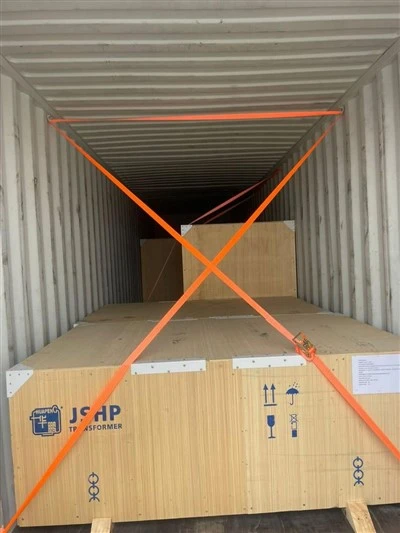
Of course, no amount of planning can eliminate delays entirely. Weather is unpredictable, even with the best data. The difference between a good heavy lift provider and a great one is how you manage those delays when they do happen. When a delay is unavoidable, we focus on two things: minimizing downtime and being honest about the impact. We work with our crews to assign non-weather-sensitive tasks during a delay—like maintenance on cranes, training for on-site teams, or prepping for the next phase of the project. Last year, during a 4-day rain delay on a refinery project, our crane technicians used the time to complete routine maintenance on our three 100-ton cranes, which was scheduled for later in the project. That meant when we resumed lifts, the cranes were in perfect shape, and we didn’t have to pause the project again for maintenance. We also keep the client updated on every cost and timeline adjustment, so they never feel blindsided. We provide detailed breakdowns of any extra costs caused by weather delays, and we work with them to find solutions that fit their budget. For example, if a delay means they need to adjust their regulatory deadline, we help them prepare the necessary paperwork to request an extension, instead of just throwing the problem back on them.
Oog Operations Let’s get real for a second. Heavy lift is a high-stakes industry. Clients hire us because they need to move critical, expensive equipment on time, and weather is one of the biggest threats to that. Over the past 12 years, we’ve worked on over 200 heavy lift and transport projects, and weather has been a factor in 70% of them. But we’ve never had a project where a weather delay led to a client abandoning us, or a dispute that went to court. That’s not luck—it’s a system built on data, flexibility, communication, and proactive planning. We’ve learned that treating weather delays as a manageable part of the job, not a crisis to panic about, is what sets us apart. If you’re planning a heavy lift project, whether it’s moving industrial components, large equipment, or structural elements, weather is something you need to plan for. Don’t just leave it to chance. Our team has the expertise, the data, and the processes to help you navigate any weather-related disruptions, keep your project on track, and minimize costs. If you’re ready to talk about your upcoming heavy lift project, our team is here to help you plan for every scenario, including weather. We can walk you through our risk assessment process, show you how we build flexibility into your timeline, and answer any questions you have about handling delays. References: American Society of Civil Engineers, 2020. Heavy Lift Construction Best Practices; International Association of Drilling Contractors, 2021. Weather Risk Management for Heavy Transport Projects; Occupational Safety and Health Administration, 2019. Crane Operation Safety Standards for Variable Weather Conditions.
Speed Supply Chain (Guangzhou) Co., Limited
Speed Supply Chain (Guangzhou) Co., Limited is a licensed NVOCC and first-level freight forwarder in China. With a professional team, we deliver reliable, efficient and cost-effective project and heavy lift service for global customers. If you have any enquiry about quotation, please feel free to email us.
Address: Room 2001-2002, Dongzhao Building, No. 515 Dongfeng Middle Road, Yuexiu District, Guangzhou, Guangdong, China
E-mail: mika.li@speedsucc.com
WebSite: https://www.speedsupplychain.com/
