Hey everyone, let’s cut to the chase. If you’re like me, you’ve probably spent half your life scrambling for the right tools for small projects—like hanging shelf brackets, mounting posters, or (let’s be real) trying to figure out how to stick a random security cam in your apartment without drilling a million holes. Lately, I’ve been fielding so many DMs and calls from folks asking: Can mounting tape actually be used to mount security cameras? As a mounting tape supplier, I know this question isn’t just random—it’s a super practical one for renters, small business owners on tight budgets, and anyone who hates leaving permanent holes in walls. Let’s break this down like we’re chatting over coffee, no stuffy jargon, just real talk about what works, what doesn’t, and why. Mounting Tape
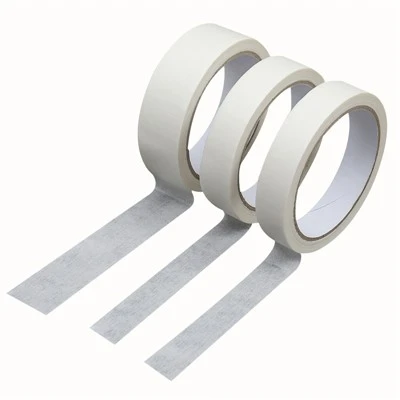
First off, let’s get one thing straight: not all mounting tape is created equal. You can’t grab that random roll of clear double-sided tape you used for your last dorm poster and expect it to hold a 100-pound security cam (wait, no, most security cams are way lighter than that—more like 1 to 5 pounds, but still). Let’s start with the basics: security cams, regardless of size, need a mount that doesn’t slip, doesn’t fall off mid-recording (hello, disaster if your front door cam crashes off right when a package gets stolen), and can handle a little wear and tear. Think about where you’re mounting it, too—outdoor cams get blasted by rain, sun, extreme heat or cold; indoor cams might be on a slightly textured wall or above a doorframe that sees a lot of foot traffic. Regular household mounting tape just can’t cut that kind of stress.
Now, when is mounting tape actually a viable option for security cams? Let’s list the scenarios where it works like a charm, no drilling required. First, renters—this is the big one. I’ve had a dozen apartment dwellers tell me their landlords banned drilling, so their only option was tape. We’ve had customers use our heavy-duty outdoor mounting tape to stick Blink Mini cams to siding, or Arlo Pro cams to apartment balcony rails, and they’ve held up through a full summer of rain and 90-degree heat. Another scenario: temporary setups. If you’re doing a backyard renovation, hosting a big event, or just testing out a new security cam before committing to a permanent mount, tape is perfect. We even had a small café owner use our heavy-duty foam mounting tape to put a cheap hidden cam above their counter for a month to catch if staff were being honest about opening times—worked like a dream, no holes, easy to peel off when they were done testing.
But let’s get real about the limits—this is where most people go wrong. First, weight capacity. You can’t mount a big, bulky 5-pound outdoor bullet cam with regular tape and expect it to stay up. Most high-quality heavy-duty mounting tape maxes out at around 10 to 15 pounds, so stick to cams under that. Second, location. If you’re mounting the cam somewhere it gets direct, constant sunlight all day long, or in a spot that gets hit by direct rain (not just shade near the eave), regular indoor/outdoor tape will break down. We have a line of UV-resistant, weatherproof mounting tape specifically made for exterior use that’s way better for full sun exposure. Third, surface prep—this is non-negotiable. I can’t tell you how many times a customer has said, “Your tape sucked, it fell off!” and when I ask if they cleaned the wall first, they go, “Uh, I wiped it with a paper towel and called it good.” No. You need to wipe the surface with rubbing alcohol to get rid of dust, grease, wall paint residue, even that invisible film from hand oils. If you don’t, the tape won’t stick, period.
Let’s talk about how to actually do this right, step by step, like we’re walking through it together. First, pick the right tape. Don’t grab the cheap dollar store stuff—get a heavy-duty, double-sided mounting tape that’s rated for both indoor and outdoor use, has a high weight capacity, and is UV-resistant if it’s going outside. Our most popular roll for this? The 2-inch wide, 15-pound capacity heavy-duty exterior mounting tape. It’s thick, it sticks, and it doesn’t leave a messy residue when you take it off. Second, prep the surface thoroughly. Wipe the spot where you’re mounting the cam with rubbing alcohol, let it dry completely for 10 to 15 minutes (any moisture will kill the stick). Third, prep the back of the cam. Most security cams have a flat mounting plate—clean that with a little rubbing alcohol too, same as the wall. Fourth, apply the tape. Cut a piece of tape that’s a little smaller than the mounting plate of the cam (so the edges don’t peel up), peel one side and stick it firmly to the back of the cam, press it down hard with your hand, even use a rolling pin or credit card to get rid of any air bubbles. Then peel the other side, align the cam exactly where you want it, and press firmly for 30 to 60 seconds. Pro tip: For outdoor use, let it cure for 24 hours before putting the cam on and turning it on. The tape needs time to set fully, especially in cold weather. If you’re mounting it in winter, maybe wait a little longer, or put a hair dryer on low to warm up the surface and the tape before pressing.
Wait, but what about common issues people run into? Let’s address the elephant in the room: will it damage your walls? That’s a fear we hear all the time, and it’s totally valid. Regular cheap tape leaves sticky residue that takes forever to scrub off, but high-quality mounting tape? If you follow the steps, it peels off cleanly—no holes, no marks, not even a faint stain. We test this all the time—our customers have used it on painted drywall, wood siding, vinyl, even tile, and when they take it off, they just wipe it with a little warm soapy water and it’s good as new. Another issue: wind or vibration. If your cam is on a balcony or a fence that sways a little in the wind, make sure you use extra tape. I usually recommend putting two layers of tape, or a wider strip, for those spots. And if you’re mounting it on a textured wall like cinder block? It still works, just make sure you press extra hard to get the tape to stick to the small bumps, and maybe cut a slightly longer piece to cover more area.
Now, let’s talk about when you should skip the tape and go for a screw mount. That’s important—no one wants to recommend a solution that’s going to fail. If you have a big, heavy professional security cam (like those 10-pound bullet cams used for commercial properties), tape won’t cut it. If the spot you’re mounting it is on a high-traffic wall that gets bumped a lot, or a ceiling (wait, tape can work for ceiling mounts too, but make sure the weight is right and you use a thicker tape), screw mounts are better. Also, if you’re planning to leave the cam up long-term (like more than a year), a screw mount is more reliable, just ask your landlord first if that’s allowed.
As a mounting tape supplier, I’m not here to sell you tape for every job— I’m here to be honest about what works. I’ve seen so many people waste money on the wrong tape, or skip prep steps, and then say “tape doesn’t work for security cams.” That’s not the tape’s fault, that’s the user’s step being skipped. Let’s give an example: last month, a customer reached out panicking because his Blink Outdoor cam fell off the side of his house after a week. Turns out, he used a roll of generic double-sided tape he had in his junk drawer, didn’t clean the wall, and mounted it in direct sun where the tape got too hot. We sent him our heavy-duty exterior tape, he cleaned the siding with rubbing alcohol, let it cure for 24 hours, and now that cam has been up for 3 months through rain, 95-degree days, and even a few minor wind gusts—no issues. That’s the difference between good tape and junk tape, and following the right steps.
Another thing to consider: camera angle. If you’re using tape, make sure you don’t need to adjust the cam super often. Tape is permanent once it’s set (most of the time, anyway—though if you really need to move it, you can slowly peel it off, but it’s easier to get it right the first time). So take 5 minutes to line up the camera exactly where you want it, test the angle through your phone app before you press it down for good. That’s a small step that saves a lot of hassle later.
Wait, what about indoor hidden cams? A lot of people want to stick those tiny, discreet cams on bookshelves or walls without anyone noticing—tape is perfect for that, obviously. You can get clear, almost invisible mounting tape that sticks to white walls and blends in, no one will even see it. Just make sure the weight is super low, which hidden cams are, so any decent mounting tape works here. We have a micro double-sided tape that’s perfect for tiny hidden cams, it’s thin, clear, and holds up well for indoor use.
Let’s also talk about myths. I’ve heard people say “tape will melt in the sun!” No—only cheap, generic tape will melt. Our UV-resistant exterior mounting tape is made with a special acrylic adhesive that stays flexible even in extreme heat, so it won’t get gooey or fall off. Another myth: “tape won’t stick to cold walls!” Again, if you warm up the surface a little with a hair dryer before applying, it sticks great. We have customers in Minnesota and Canada who use our tape all winter, no issues—they just take their time prepping.
Now, if you’re someone who’s on the fence about trying tape for your security cam, let’s recap the pros and cons to make it easy. Pros: no drilling, perfect for renters, easy to install and remove, way cheaper than a professional mount, works for temporary setups or hidden cams. Cons: not ideal for very heavy cams, not as reliable as screws for long-term permanent mounts, requires surface prep to work right. That’s a pretty clear balance, right? It’s not a one-size-fits-all, but it’s a great option for a huge number of people.
As a mounting tape supplier, I know how overwhelming it can be to pick the right product for a job. Everyone wants a quick, easy, low-damage solution for small security cam setups, and mounting tape fits that perfectly—when you do it right. If you’re ready to grab the right tape for your project, or you have more questions about which type would work best for your cam and location, feel free to reach out. We’ve helped hundreds of people pick the right tape for their security cams, and we’re happy to give personalized advice, no pushy sales stuff, just honest info.
At the end of the day, security is about making sure your space is safe, whether that’s your apartment, your backyard, or your small business. Mounting tape isn’t going to replace heavy screw mounts for commercial properties, but for most residential and small temporary setups, it works just as well—if you use the right tape and follow the steps. No more holes in your walls, no more arguing with your landlord, no more wasting money on tools you’ll only use once. That’s the kind of practical solution we love, right?
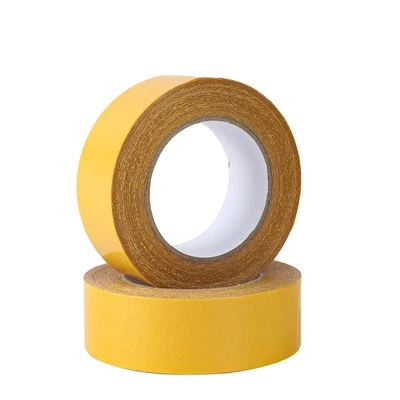
So next time someone asks you, “Can mounting tape be used to mount security cameras?” you can say, “Hell yeah, if you do it right—here’s how.” Don’t let the naysayers tell you it’s impossible. All it takes is a good tape, a little surface prep, and some patience, and you’ve got a solid, secure mount that works for months.
Tape Jumbo Roll References:
- Architectural Institute of British Columbia. "Renter-Friendly Mounting Solutions for Residential Spaces." 2023.
- Industrial Adhesive and Tape Association. "Load-Bearing Ratings of Pressure-Sensitive Adhesives for Outdoor Applications." 2022.
- Consumer Reports. "Best Practices for Mounting Home Security Cameras Without Drilling." 2024.
Yiwu Yubang Adhesive Products Co., Ltd.
As one of the most professional mounting tape manufacturers and suppliers in China, we also support custom service. We warmly welcome you to wholesale high quality mounting tape made in China here from our factory. If you have any enquiry about cooperation, please feel free to email us.
Address: 4th Floor, No. 17 Gantang West Road, Yiting Town, Yiwu City, Jinhua City
E-mail: salesmanager@yubangtape.com
WebSite: https://www.yubang-tape.com/
