When you’re managing bulk liquid storage—whether it’s for fuel, chemicals, water, or agricultural fluids—safety isn’t just a box to tick. It’s the foundation of every decision you make, and that’s why double-walled tanks have become the go-to solution for so many industrial, commercial, and municipal operations. As a supplier who’s spent a decade working with these tanks, I’ve seen firsthand how their design addresses the most common, costly, and dangerous storage risks that single-walled tanks can’t handle. Let’s break down the key safety features that make double-walled tanks non-negotiable for anyone who relies on storing sensitive or hazardous materials. Double-walled Tank
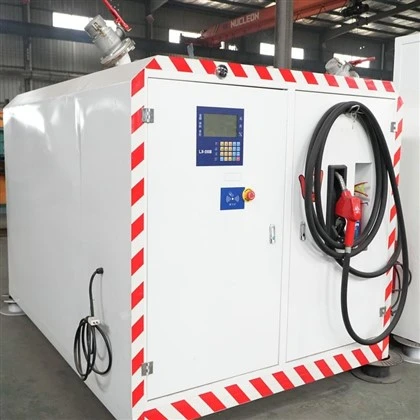
First, let’s start with the core design: the two walls, separated by a closed interstitial space. This isn’t just a structural afterthought—it’s the first line of defense against leaks, which are the leading cause of tank-related environmental incidents. Single-walled tanks have only one barrier between the stored liquid and the ground, so a tiny pinhole from corrosion, a dent during installation, or years of wear can lead to unplanned leaks that seep into soil and groundwater. Double-walled tanks eliminate that risk by having an inner tank that holds the product, and an outer jacket that contains any leakage from the inner tank. The interstitial space between them acts as a buffer, so even if the inner tank fails, the liquid never reaches the environment. That’s a game-changer for compliance with EPA, OSHA, and other regulatory standards that mandate leak prevention for bulk storage.
But the interstitial space isn’t just a passive gap. It’s equipped with monitoring systems that catch leaks before they become emergencies. Most modern double-walled tanks use either a liquid interstitial monitoring system or a vapor monitoring system. Liquid monitors are typically float switches or capacitance sensors that sit in the interstitial space; if even a small amount of liquid seeps through the inner wall, it rises to a pre-set level and triggers an alert. Vapor monitors, on the other hand, are designed for volatile liquids like gasoline or industrial solvents: they detect escaped vapors from the inner tank, which can signal a tiny leak before liquid begins to accumulate. I’ve had clients tell me these monitors saved them tens of thousands of dollars in cleanup costs—one municipal facility in the Midwest had a pinhole leak in their underground storage tank, and the monitor alerted their maintenance team within 20 minutes, before any fuel reached the groundwater. That’s the kind of proactive safety that single-walled tanks can’t offer.
Next, structural integrity. Double-walled tanks are built to handle far more stress than single-walled alternatives, which is a critical safety feature in themselves. The outer jacket isn’t just a leak barrier—it reinforces the inner tank, making it more resistant to impacts from forklifts, heavy equipment, or ground shifts. For above-ground tanks, that means they’re less likely to crack or collapse if something accidentally hits them. For underground tanks, the outer wall adds extra protection against soil pressure, root intrusion, and corrosion from soil contaminants. I’ve worked with customers in construction, where site conditions can be unpredictable; they switched to double-walled tanks after a single-walled tank was punctured by a buried utility line during a dig. The outer wall on the double-walled unit held strong, no leak, and no downtime. That structural reinforcement also extends the tank’s lifespan—most double-walled tanks last 20–30 years, compared to 10–15 for single-walled, so the safety benefits are long-term, not just initial.
Corrosion resistance is another key safety feature, especially for tanks that store corrosive chemicals or are installed in harsh environments. Many double-walled tanks are made with materials like fiberglass-reinforced plastic (FRP), steel with fusion-bonded epoxy coatings, or stainless steel for both inner and outer walls. The dual coating or material layers mean that even if one layer sustains damage, the other is still protected. For example, a steel tank with an epoxy-coated inner wall and a powder-coated outer wall won’t rust through as quickly as a single-walled steel tank, which only has one coating to prevent corrosion. For facilities that store acids, bases, or other corrosives, this is non-negotiable—corrosion is the number one cause of tank failure, and double-walled design eliminates most of that risk. I recently supplied a chemical manufacturing plant with double-walled stainless steel tanks for storing hydrochloric acid; a year later, their maintenance team inspected both walls and found a small scratch on the inner wall’s stainless steel, but the outer wall was completely unharmed. If it had been a single-walled tank, that scratch would have led to a leak in months.
Beyond primary leak prevention, double-walled tanks include fire and pressure safety features that align with their dual-wall design. Above-ground double-walled tanks often have pressure relief valves on the inner tank, which prevent overpressure from stored liquids expanding due to temperature changes. But because of the outer jacket, these valves don’t just vent to the atmosphere—some systems route vented vapors into a closed recovery system, reducing fire risk. For underground tanks, the interstitial space can be designed to be pressure-regulated, which prevents the outer jacket from collapsing if the inner tank is empty and soil pressure is high. Some double-walled tanks also have fire-resistant outer coatings, which add another layer of protection if a fire breaks out nearby. Unlike single-walled tanks, which can melt or rupture in a fire, the outer wall of a double-walled tank can contain the inner tank for a critical amount of time, allowing firefighters to extinguish the blaze without a catastrophic leak.
Let’s not forget compliance, which is a safety feature in its own right. Regulators around the world—from the EPA in the U.S. to the EU’s Seveso Directive—now require double-walled tanks for many types of hazardous liquid storage. Single-walled tanks often don’t meet these standards, which means they’re not just unsafe, they’re illegal to operate in many cases. When a client comes to me looking to replace their old single-walled tank, the first thing we discuss is compliance. The safety features of double-walled tanks don’t just protect your operation from accidents—they protect you from fines, shutdowns, and reputational damage. I’ve seen small businesses face $100,000+ EPA fines for unreported leaks from single-walled tanks, which is a cost that far outweighs the initial investment in a double-walled unit.
Now, I should address a common misconception: some people think double-walled tanks are too expensive, or too complex to maintain. The truth is, the additional cost is minimal compared to the long-term risks, and maintenance is actually simpler because of the built-in monitoring systems. Most double-walled tanks only require annual inspections of the interstitial monitors and walls, which is a quick process that most maintenance teams can handle. Single-walled tanks require regular leak tests, soil sampling, and repairs, which add up over time. I’ve had clients tell me that switching to double-walled tanks cut their annual storage maintenance costs by 30–40%, because they spend less time fixing leaks and more time on proactive safety.
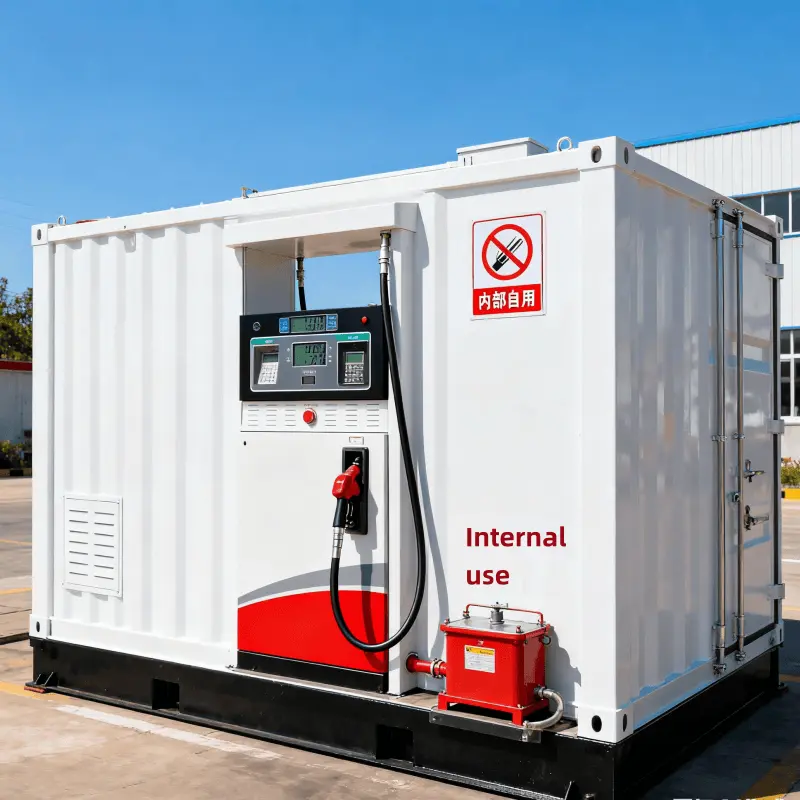
At the end of the day, double-walled tanks’ safety features aren’t just add-ons—they’re engineered into the design to address the most common and dangerous storage risks. As a supplier, I’ve worked with hundreds of clients to find the right double-walled tank for their specific needs, whether it’s for fuel, chemicals, or water. If you’re currently using single-walled tanks, or if you’re planning to invest in new storage, I’d be happy to walk you through your options, answer any questions you have about safety features, and help you find a solution that fits your budget and needs. Don’t wait for a leak to hit—take the proactive step of upgrading to a tank that protects your people, your environment, and your business. Reach out to our team to schedule a time to discuss your double-walled tank requirements.
Explosion-proof Fuel Station References
- U.S. Environmental Protection Agency (EPA). (2021). Aboveground Storage Tank Regulations.
- Occupational Safety and Health Administration (OSHA). (2020). Process Safety Management of Highly Hazardous Chemicals.
- National Fire Protection Association (NFPA). (2019). Standard for Aboveground Tanks for Flammable and Combustible Liquids (NFPA 30).
- American Petroleum Institute (API). (2018). Standard for Storage of Petroleum Products in Aboveground Tanks (API 650).
- International Organization for Standardization (ISO). (2022). Petroleum and natural gas industries – Storage tanks – Design and construction (ISO 13706).
Shandong Jingcai Industry and Trade Co., Ltd.
As one of the most professional double-walled tank manufacturers and suppliers in China, we also support customized service. With abundant experience, we warmly welcome you to wholesale high quality double-walled tank in stock here from our factory. Contact us for free sample.
Address: Caojiazhuang Village Industrial Park, Lingcheng Town, Qufu City, Jining City, Shandong Province.
E-mail: shandongjingcai888@gmail.com
WebSite: https://www.sdjingcaicn.com/
