If you’re in the market for PVC steel wire hoses – and trust me, I talk to a ton of folks who are – you’ve probably wondered: do these hoses actually need certifications, and which ones matter most? As a supplier who’s been in this game for over a decade, I’ve seen way too many buyers skip checking certifications only to end up with hoses that kink too easily, leak when they shouldn’t, or even fail completely mid-job. Let’s break this down like we do over a coffee break in the warehouse, no stuffy jargon, just real talk. PVC Steel Wire Hose
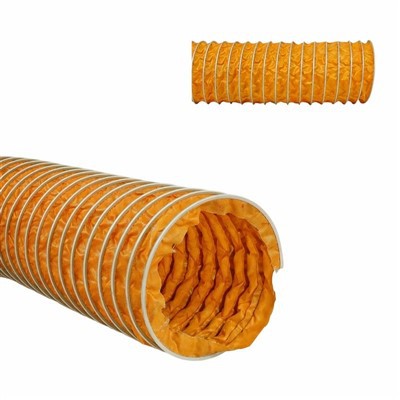
First, let’s get one thing straight: PVC steel wire hoses aren’t just garden hoses you grab at the hardware store. They’re reinforced with steel wire spirals so they can handle pressure, lift things like concrete slurry, or move chemicals without collapsing. That reinforcement makes their performance non-negotiable, and certifications are basically the industry’s way of saying “this hose was tested to not let you down.” I’ve had a client who bought uncertified hoses for their mining site – cost them 2 days of downtime when the hose ruptured, and that’s money they’ll never get back. Certifications aren’t just red tape; they’re your safety net.
Let’s start with the big ones that matter for nearly every application. The first is NSF/ANSI 51 – that’s non-negotiable if you’re using hoses for food and beverage, right? I don’t care if it’s moving milk at a dairy or soda at a bottling plant, if it touches consumables, the hose has to be food-grade. NSF 51 tests everything: the PVC compound, the steel wire coating, even the additives to make sure they don’t leach into whatever’s flowing through. A while back, a craft brewery reached out to me because their old hoses had a weird plastic aftertaste in their beer. Turned out those hoses didn’t have NSF 51, and the uncertified PVC was leaching chemicals. We switched them to our NSF 51-certified line, and they haven’t had a complaint since. For food-grade stuff, this isn’t a “nice to have” – it’s a legal requirement too; the FDA references NSF 51 in its own regulations, so you can’t get away with skipping it.
Next up, pressure-rated certifications. Most PVC steel wire hoses are used for high-pressure applications, like water jetting, construction, or industrial cleaning. The big one here is SAE J20 – that’s the Society of Automotive Engineers standard specifically for hoses used in automotive and general industrial applications. SAE J20 tests burst pressure, working pressure, how the hose holds up to bending, and resistance to temperature extremes. I’ve seen hoses that say they’re “300 PSI rated” on the tag, but when we tested them, they burst at 150 PSI – those were uncertified junk. Our SAE J20 hoses are tested to 2x the rated working pressure, so you know they won’t fail when you’re pushing a pump to its limit. For construction guys running concrete mixers, that’s the difference between a job done on time and a callback that eats into your profit.
Then there’s chemical resistance. If you’re moving acids, fertilizers, or industrial chemicals, regular PVC hoses won’t cut it – they’ll dissolve or crack. The certification here is ISO 1402, which specifies requirements for chemical-resistant hoses. Wait, no, actually ISO 13006 is for rubber hoses, but for PVC specifically, it’s ISO 1402-1. ISO 1402 tests how the hose holds up when submerged in different chemicals over time. I work with a chemical manufacturing client who uses our ISO 1402-certified hoses to move hydrochloric acid – they told me that before, with uncertified hoses, the acid would eat through the wall in 6 months. Ours have been going strong for 2 years now. If your application involves chemicals, don’t buy any hose without this certification – even if the seller swears it works. Test results don’t lie.
Wait, let’s not forget environmental and safety certifications. If you’re working in Europe, you’ve probably heard of REACH and RoHS. REACH is the EU’s regulation on chemical safety, and it restricts certain harmful substances like lead, phthalates, and cadmium in products. RoHS is similar, focusing on electronics, but it also applies to some industrial hoses. I export a lot of hoses to the EU, so all our lines there are REACH and RoHS compliant. A customer in Germany once tried to save a few bucks on non-compliant hoses, got stopped at customs, and had to pay a fine that was way more than the extra cost of compliant hoses. For international buyers, these certifications aren’t optional – they’re required to get your goods into the country.
Another one that’s super important for commercial and industrial use is UL Listed. UL (Underwriters Laboratories) is a global safety certification company, and their Listing means the hose has been tested for fire resistance, electrical safety (wait, no, PVC hoses don’t conduct electricity, but their outer layer is tested for flame spread). If you’re using hoses in places where there’s a risk of fire, like warehouses or chemical plants, UL Listed hoses are often required by fire codes. I had a client in a manufacturing facility get cited by the fire marshal because their hoses weren’t UL Listed. They ended up switching all their hoses to our UL-certified line, and they passed their next inspection with no issues. That’s the kind of thing that can shut down your business fast if you skip certifications.
Now, let’s talk about common misconceptions I run into all the time. A lot of buyers think “more certifications = better hose,” but that’s not always true. If you’re using a hose for a simple garden application, NSF 51 or SAE J20 is overkill – you’d just be paying for certifications you don’t need. But if you’re using it for something critical, like food service or high pressure, skipping even one can be a mistake. Another big one: some sellers put “certified” on the tag, but don’t actually have the test results to back it up. As a supplier, I never just say “our hoses are certified” – I give buyers the test reports, the certification numbers, and links (even if it’s just the regulatory body’s database) to verify. If a seller can’t give you proof of certification, walk away. I’ve had a few times where a competitor tried to sell me uncertified hoses as “SAE J20,” but they couldn’t produce the test data, so I knew it was junk.
Also, certifications aren’t a one-and-done deal. A good supplier will re-test their hoses regularly to make sure they still meet the standards. For example, NSF requires annual audits of food-grade materials to make sure there’s no change in the PVC compound. If a supplier cuts corners on the material, their certification can get revoked. I make sure our labs do quarterly re-tests on all our certified hoses – last year, we caught a batch of PVC that had too much plasticizer, so we pulled it before it reached any customers. That’s the kind of quality control that certifications enable.
Let’s get personal here: I started this business because I saw how many people were getting ripped off with cheap, untested hoses. A friend of mine runs a landscaping company, and his guy was using an uncertified PVC steel wire hose to pressure wash a patio. The hose ruptured, hit him in the leg, and sent him to the ER – that could’ve been prevented with a certified hose. Since then, I’ve made it my mission to only sell hoses that have the certifications to back up their claims. I don’t cut corners, and I don’t sell products that would put anyone at risk.
If you’re a buyer out there who’s not sure which certification you need, here’s a quick cheat sheet:
- Food & beverage: NSF/ANSI 51, FDA 21 CFR (which references NSF 51)
- Automotive, general industrial, high pressure: SAE J20, UL Listed for fire safety
- Chemical transfer: ISO 1402, REACH, RoHS (for EU)
- Construction, mining: SAE J20, pressure-rated to match your pump
Now, let’s circle back to why this matters for you. Whether you’re a small business owner buying a few hoses for your shop or a big corporation sourcing pallets for your factory, certifications are your guarantee. They mean the hose was tested by an independent third party, not just the supplier’s own lab (which can be biased). As someone who’s been in this for years, I’ve learned that the cheapest hose isn’t always the best – a $50 uncertified hose that fails in a week ends up costing you way more than a $70 certified one that lasts a year.
I get it, certifications can seem like a hassle, especially if you’re new to sourcing PVC steel wire hoses. That’s where I come in. I don’t just sell hoses – I help you figure out which certifications you need based on your application. Just tell me what you’re using the hose for, how much pressure it needs to handle, and if it’s going near chemicals or food, and I’ll point you to the right certified line. No jargon, no pressure, just straight answers.
If you’re tired of dealing with hoses that don’t live up to their claims, or you’re not sure which certifications are right for your project, reach out to me. I’m here to answer all your questions, share test reports, and help you find the perfect PVC steel wire hose for your needs. Don’t take chances with uncertified products – your job, your equipment, and your safety are worth more than that.
Multilayer PVC Pipe References
National Sanitation Foundation (NSF). (2023). NSF/ANSI 51: Food Equipment Materials.
Society of Automotive Engineers (SAE). (2022). SAE J20: Standard for Hoses, General Purpose.
International Organization for Standardization (ISO). (2021). ISO 1402-1: Hoses for Chemical Use – Part 1: Rubber and Plastics Hoses.
European Chemicals Agency (ECHA). (2023). REACH Regulation (EC) No 1907/2006.
Underwriters Laboratories (UL). (2022). UL 218: Standard for Fire Tests of Hose Assemblies.
Dongyang Hstube Co., Ltd.
As one of the leading PVC steel wire hose manufacturers and suppliers in China, we warmly welcome you to wholesale cheap PVC steel wire hose for sale here from our factory. If you have any enquiry about free sample, please feel free to email us. Quality products and reasonable price are available.
Address: NO.5 CHENGDONG ECOLOGICAL INDUSTRIAL ZONE, DONGYANG, ZHEJIANG, CHINA.
E-mail: sales@hstube.com
WebSite: https://www.ductword.com/
