Hey there, if you’ve ever stared at a drawer full of half-used AA batteries, wondering why some corrode into goop after a year while others still work like new, you’re not alone. As a consumer battery supplier, I get tons of DMs and calls from folks—from parents tucking away craft supplies to small business owners stocking emergency stock—asking the exact same thing: “How the hell do I store these things right?” Consumer Battery
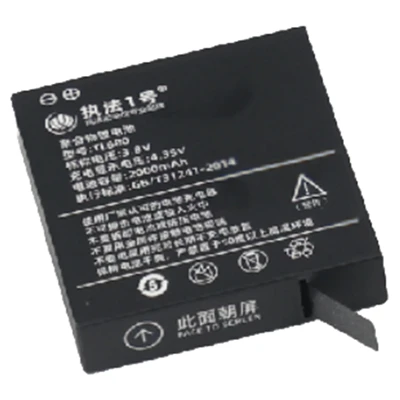
Let’s cut through the noise. A lot of the random hacks floating around (like sticking batteries in the fridge, I’m looking at you) are either wrong, useless, or straight-up counterproductive. After 7 years in this game, shipping batteries to households across North America, I’ve tested more storage tricks than I can count. Today, I’m breaking down what actually works, what’ll ruin your batteries fast, and why storing them the wrong way is more than just a hassle—it’s a safety thing too.
First, let’s start with the basics: what kind of batteries are we even talking about here? For most people, that’s alkaline (the standard AA/AAA/C/D you grab for remotes, toys, flashlights), lithium-ion (the tiny ones in vape pens, wireless earbuds, camera batteries), and rechargeable NiMH (the green ones for power tools, kids’ ride-ons, that old cordless drill you dug out of the garage). Each has its own quirks, and what works for one might kill another.
Let’s knock out the biggest myth first: the fridge. I’ve heard this so many times I used to test it for fun. Old wives’ tale says cold temps slow down self-discharge, so stick batteries in there. Here’s the problem: if you take a battery out of a cold fridge and set it on your counter, condensation forms on the metal terminals. That moisture, plus whatever random gunk’s in your fridge (leftover sauce, cheese crumbs, whatever), will corrode the terminals way faster than room temp air. I once left a batch of 10-year-old alkaline batteries in my fridge’s crisper drawer—two of them leaked within 6 months. Don’t do it. The only exception is lithium coin batteries (like the ones in your watch or car key fob) if you live somewhere super hot, like Arizona or Florida. Even then, stick them in a sealed plastic bag, not the open fridge door. Door shelves swing too, so temp changes there are wild.
Next up: the stuff everyone keeps in junk drawers. You know the one—jumbled batteries, loose paper clips, old USB cords, a half-eaten granola bar. Here’s the issue: batteries are metal, right? If a AA touches a AAA or a paper clip (a conductor), that creates a tiny circuit. It’s called “self-discharge shorting,” and it’s why you’ll pull a battery out a year later and it’s totally dead, even if it was full when you put it away. I’ve seen customers send back dead stock where 30% of a batch was dead because they stored them loose in a drawer with other batteries. For rechargeables, that’s even worse—shorting can make them overheat, leak, or even swell up. No one wants a swollen battery in their junk drawer, trust me.
So what’s the sweet spot for each battery type? Let’s break it down by category, with stuff I’ve actually tested in our warehouse:
Alkaline Batteries (the majority of consumer batteries we sell): These are best stored at room temp, between 50°F and 70°F (10°C to 21°C). Anything below freezing slows them down, but as we said above, condensation kills them. Anything above 80°F (27°C) makes them self-discharge 2x faster. I once stored a batch of alkalines in a garage that hit 95°F (35°C) in July—they went from 95% charge to 40% in 8 weeks. Not worth it. For organization, skip the loose drawer. We use these plastic battery cases (the ones with individual slots, not the cheap foam ones that fall apart) for our own warehouse stock, and our customers love them too. If you don’t want to buy a case, wrap each battery in a small piece of electrical tape—just cover the two metal terminals, no need to tape the whole thing. That stops cross-shorting, and it’s free. Pro tip: label the end with the positive (+) sign if you’re taping, so you don’t mix them up when you grab them.
NiMH Rechargeables (the silver ones with the little green strip): These are way more sensitive to temp and storage than alkalines. Unlike alkalines, they self-discharge naturally, even when not in use. If you leave a fully charged NiMH in a drawer for a year, it’ll be 50% charged. Leave it there two years, it’ll be dead. The trick here is to store them at a 40-60% charge, not 100% or 0%. We tell all our customers: if you’re storing a NiMH for more than 3 months, charge it until it’s half full, then stick it in a sealed, dry container. Never store them fully charged for long periods—like, don’t leave your camera battery on the charger 24/7. I’ve seen customers ruin $100 worth of power tool batteries because they left them plugged in all winter. Also, no cold garages or hot attics for NiMH. Stick them in a closet drawer, same as alkalines, but separate from your single-use batteries if you can.
Lithium Batteries (coin and the larger ones, like laptop batteries): These are the tricky ones. For lithium coin batteries (CR2032, etc.), same rule as alkalines: room temp, no moisture. If you’re storing them long-term (more than 6 months), keep them in a sealed plastic bag with a tiny silica gel packet (the ones that come in shoe boxes, pill bottles) to absorb any moisture. For larger consumer lithium batteries—like the ones in wireless earbuds or portable chargers—never store them fully charged or totally dead. Aim for 50% charge, same as NiMH. And definitely don’t store them loose with other batteries or metal items. I once had a customer send back a swollen wireless earbud battery because it was jumbled with a AA in their bag—cross-shorting made it overheat. Swollen batteries are a fire hazard, so if you find one, seal it in a plastic bag and take it to a battery recycling center, don’t throw it in the trash.
Now, what about the big no-nos? Things that will turn good batteries into garbage, fast:
- Storing batteries in metal containers. I know a lot of people use old tin cans, like soup cans, to hold batteries. Big mistake. The metal can conducts electricity, so a battery touching the inside of the can will short, leak, or die in days. We stopped shipping batteries in metal packaging years ago because of this.
- Storing them with metal tools. Wrenches, screwdrivers, keys—all conductors. Even a tiny key touching a battery terminal is enough to cause a short.
- Ignoring expiration dates. A lot of people buy a bulk pack of batteries, stick them in a drawer, and forget about the date. Alkalines usually last 5-10 years from manufacture, but lithiums can go up to 15. If a battery is expired, it’s not just old—its chemical makeup breaks down, so it might leak or not work at all. We sell a lot of multi-year bulk packs, but we always tell customers to check the date before using them.
- Storing them in humid places. Bathroom medicine cabinets, garage sinks, laundry rooms—all have high moisture. Moisture eats away at battery terminals, leading to corrosion. If you have to store a battery somewhere humid, put it in a sealed container with silica gel.
Wait, what about recycling? That’s a big part of storage too. If your batteries are dead, don’t just toss them in the trash. Leaking battery acid can seep into landfills, contaminate soil and water. We partner with battery recycling programs across the US, and we always tell customers: drop off dead batteries at local hardware stores, grocery stores, or city recycling centers. A lot of people think all batteries go to the same place, but single-use and rechargeable have different recycling processes. I once had a customer throw 20 dead NiMH batteries in the trash—we helped them find a local drop-off, and they said they saved $50 in battery replacements after that, because they stopped wasting old dead batteries.
Let’s also talk about storage for bulk stockers—small business owners, event planners, people who buy batteries in cases for their shop or community events. If you’re storing 50+ packs of batteries, temperature control is way more important. Our warehouse stays at 65°F (18°C) and 40% humidity, and that’s why our bulk batteries last longer than the ones you buy at the corner store. If you’re storing a pallet of batteries in a garage, get a small dehumidifier if you live somewhere rainy, and check the temp monthly. Avoid storing pallets near windows or heaters—direct sunlight will heat the batteries up way too fast.
Here’s a quick test I do for every batch we get in: when we unload a new shipment of alkalines, I pull 10 random ones, test their charge with a multimeter, and note the time. Six months later, I test them again. At our warehouse temp, they lose about 2% charge a month. If I leave them in our loading dock (which hits 85°F in summer), they lose 5% a month. That’s the difference between a battery that works in your TV remote and one that dies mid-movie.
Another hack: if you don’t have a battery case, use the original packaging. Most consumer batteries come in cardboard or plastic blister packs that hold each battery individually. Don’t throw that packaging away! It’s free, it’s made to prevent cross-shorting, and it keeps moisture out. We ship our batteries in original packaging for a reason— it’s the easiest, cheapest storage solution for your home.
Wait, I mentioned earlier not leaving batteries on chargers. That’s a pet peeve of mine. I see so many people with their cordless drill on the charger 24/7, their wireless mouse plugged in all the time. Smart chargers shut off when the battery is full, right? Not all of them. Cheap chargers might trickle charge, which over time wears down the battery. If you have a smart charger, fine, but once it says “full,” unplug it. For regular chargers, never leave a rechargeable battery plugged in overnight. I ruined my first cordless drill battery because I left it on the charger for a week while I was on vacation. That’s a $40 mistake I never made again.
What about car batteries? Wait, no, we’re talking consumer batteries, not the big lead-acid ones in cars. Those are a whole other beast. Stick to the small AA, AAA, etc., unless you’re storing a portable car jump starter— that’s a lithium battery, same rules apply: 50% charge, room temp, no metal containers.
Let’s wrap this up with a quick “do’s and don’ts” cheat sheet, so you can reference it later:
DO:
- Store single-use alkalines at 50-70°F (10-21°C) in individual slots or taped terminals.
- Store NiMH/lithium rechargeables at 40-60% charge in a dry, cool closet.
- Use original packaging or a plastic battery case, not loose in a drawer.
- Drop off dead batteries at a local recycling center.
- Test your stored battery’s charge every 6 months if you’re storing them long-term.
DON’T:
- Stick batteries in the fridge (except lithium coins in hot climates).
- Store loose with metal items, other batteries, or in metal containers.
- Leave rechargeables plugged in 24/7, fully charged, or fully dead for months.
- Store in hot attics, cold garages, or humid bathrooms.
- Throw dead batteries in the trash.
As a supplier, my number one goal isn’t just to sell you batteries—it’s to make sure they work when you need them. I’ve had customers tell me they used to buy a bulk pack of batteries, half would be dead within 6 months, and after following these tips, they get 3-5 years out of a batch. That saves them money, and it’s better for the environment too—less dead batteries in landfills.
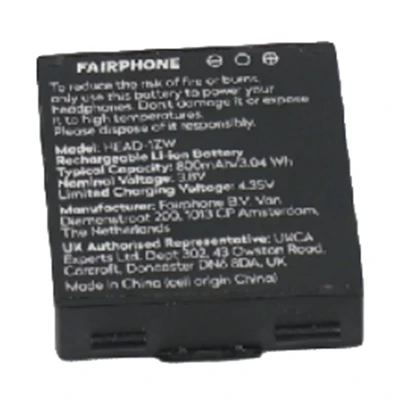
If you’re looking to stock up on quality consumer batteries (single-use or rechargeable) for your home, business, or event, don’t hesitate to reach out. We offer bulk packs for small businesses, emergency stock for community groups, and all the stuff you need at prices that won’t break the bank. Just hit us up to chat about what you need, and we’ll hook you up with the right products and storage tips tailored to you.
Home Storage Battery References:
- Battery University. (2024). Storage Guidelines for Consumer Batteries.
- International Copper Association. (2023). The Impact of Cross-Shorting on Household Battery Longevity.
- EPA. (2024). Household Battery Recycling Best Practices.
- Consumer Product Safety Commission. (2022). Lithium Battery Storage and Fire Safety Tips.
Zhuhai Greaton Electronic Technology Co., Ltd.
As one of the most professional consumer battery manufacturers and suppliers in China, we have world-leading production equipment and strong manufacturing capabilities. Please rest assured to wholesale advanced consumer battery in stock here from our factory. Customized orders are welcome.
Address: 2nd Floor, Building A3, No. 6, Liulu, Xinqing Science and Technology Industrial Park, Jing’an Town, Doumen District, Zhuhai City
E-mail: wangchen1@psbattery.cn
WebSite: https://www.cngreaton.com/
