When I first started working as a chemical intermediates supplier 12 years ago, I’ll admit I didn’t fully grasp how the small, chlorinated compounds we shipped every week quietly underpin so much of modern life. Back then, most of my inquiries were from clients who saw us as just another vendor—someone who could deliver a consistent batch of 1,2-dichloroethane or epichlorohydrin on time, no questions asked. But over the years, I’ve sat across conference tables with formulators, plant managers, and R&D leads, and every conversation has deepened my understanding of these chlorinated chemical intermediates’ far-reaching, often unsung roles. Today, I want to pull back the curtain on what makes these compounds more than just “industrial chemicals”—they’re the building blocks that make everything from your morning coffee cup to the smartphone in your pocket work. Chemical Intermediates

Let’s start with a quick, plain-spoken definition for anyone new to the space: chlorinated chemical intermediates are organic compounds with at least one chlorine atom attached to their molecular structure, produced during chemical processing to serve as a step between raw materials (like crude oil or natural gas feedstocks) and the final products consumers use. What makes chlorine such a workhorse here is its unique reactivity: it forms stable chemical bonds that can withstand extreme temperatures, resist wear, and enable precise molecular adjustments that would be far harder with other elements. That reactivity is exactly why industries rely on them so heavily, in ways you might not immediately associate with chlorine.
Take the pharmaceutical industry, for instance. A few years back, we had a client who manufactures generic versions of common antibiotics, and they came to us with a specific request: they needed a consistent supply of chlorinated pyridines, a type of intermediate I’d never even heard of before that point. When I asked their R&D lead why chlorine was non-negotiable for their process, she broke it down simply: chlorinated intermediates are critical for modifying the molecular structure of active pharmaceutical ingredients (APIs) to boost their efficacy. Penicillin, for example, is naturally occurring, but adding a chlorine atom through a chlorinated intermediate step turns it into amoxicillin, a drug that’s more bioavailable, works against a broader range of bacteria, and is easier for the body to absorb. Without that chlorinated intermediate step, amoxicillin would never have become the go-to antibiotic for millions around the world. I later learned this isn’t a one-off case—more than 20% of all FDA-approved small-molecule drugs rely on chlorinated intermediates in their manufacturing, a statistic that still blows me away every time I hear it.
Next, look at the plastics and polymers sector, where I’ve seen chlorinated intermediates shape the materials we interact with daily. One of the most common uses here is in the production of PVC (polyvinyl chloride), a plastic that’s in everything from plumbing pipes to children’s toys, siding on homes, and even the insulation around electrical wires. The core step in PVC manufacturing uses vinyl chloride monomer (VCM), a chlorinated intermediate we ship regularly. But it’s not just rigid PVC that depends on these compounds—chlorinated intermediates are also key for making flexible PVC, which you’ll find in the hoses that carry water to your garden or the flooring in your kitchen. What’s clever is that adding a chlorine atom during the intermediate stage lets manufacturers adjust the plastic’s properties: more chlorine makes it more durable, heat-resistant, and less likely to break down when exposed to sunlight. That’s why PVC pipes, made with a higher chlorine content, can last 50+ years underground, while flexible garden hoses, with a lower chlorine concentration, stay pliable enough to use year after year. I’ve worked with small-scale polymer formulators and global chemical giants alike, and every single one will tell you they can’t replicate those performance characteristics without chlorinated intermediates.
Then there’s agrochemicals, a sector that’s become more important than ever as we try to feed a growing global population. Farmers can’t rely on natural crops to ward off pests and weeds, and that’s where chlorinated intermediates come into play in manufacturing herbicides, fungicides, and insecticides. A prime example is glyphosate, though I’ll note it’s not the only one—chlorinated intermediates are used in a range of products that protect crops from damaging insects and invasive weeds without harming the plants themselves. I remember speaking to a corn farmer in Iowa a few years back, who told me that without certain herbicides, his crop yield would drop by almost 40%. The catch here is that the chlorinated intermediates used in agrochemicals are designed to break down in the environment after they’ve done their job, so they don’t leave harmful residues. That balance of efficacy and safety is why formulators trust these intermediates, and why farmers trust the final products they help make. I’ve also seen them used in producing insecticides that protect stored grain, which helps reduce food waste—another big win for global food security.
Moving to another area that’s close to many people’s daily lives: personal care and consumer goods. You might be surprised to learn that chlorinated intermediates are in products like shampoo, sunscreen, and even the makeup you wear. For example, some key ingredients in modern sunscreens are made with chlorinated intermediates that help the active ingredients (like avobenzone) stay stable in the bottle and on your skin, so they don’t break down when exposed to sunlight. Chlorinated intermediates are also used to produce the surfactants in shampoo—those are the compounds that create lather and help wash away dirt and oil. The chlorine in the intermediate step gives these surfactants the right molecular structure to work effectively, even in hard water, which is something most of us deal with every day. I’ve had clients in the personal care space tell me that switching to non-chlorinated intermediates would require reformulating their entire product line, which would cost millions and risk changing the way their products perform for customers. That’s how essential these compounds are, even in products that feel purely “consumer-facing.”
Don’t get me wrong, I’m not here to say chlorinated chemical intermediates are without their challenges. For 12 years, I’ve worked with regulatory bodies, clients, and industry groups to make sure we produce and handle these intermediates safely, in line with global standards like EPA and REACH guidelines. We’ve invested in better shipping practices, safety training for our team, and waste management processes that minimize environmental impact, because we know that responsibility comes with the territory. When clients ask if there are alternatives to chlorinated intermediates for certain uses, I always encourage them to explore—but 9 times out of 10, the alternatives are either less effective, more expensive, or harder to scale, which makes chlorinated intermediates the most practical choice for most industries.
Over the years, I’ve also seen how the role of these intermediates is evolving, as new technologies emerge. For example, we’re now working with renewable feedstocks to produce some chlorinated intermediates, which reduces their carbon footprint compared to traditional methods. There’s also growing interest in using chlorinated intermediates in advanced electronics—think semiconductors and the materials that go into electric vehicle batteries. A few months ago, a tech startup came to us looking for a specialized chlorinated intermediate that could help create a more efficient battery separator, and it reminded me that even as industries change, the core value of these intermediates remains the same: they enable innovation by solving specific chemical challenges that other compounds can’t.
As a supplier, my job isn’t just to deliver a batch of chemicals—it’s to understand how those chemicals fit into my clients’ processes, and ultimately, into the products that people rely on. I’ve learned that when a client comes to us with a problem, more often than not, a chlorinated intermediate is the solution they didn’t know they needed. Whether it’s a pharmaceutical company refining an API, a polymer manufacturer improving a plastic, or an agrochemical company protecting a crop, these compounds are the quiet backbone of modern industry.
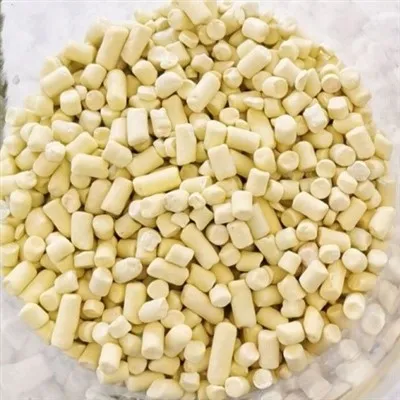
If you’re a formulator, plant manager, or R&D lead looking for a consistent, reliable supplier of chlorinated chemical intermediates—someone who understands not just the product specs, but how it fits into your larger process—we’re here to help. We prioritize quality, safety, and on-time delivery, and we work closely with clients to find the right intermediate for their specific needs. Reach out to our team to discuss your requirements, and let’s find a solution that works for your business.
Hydroxamic Acid Collectors References
- United States Environmental Protection Agency. (2022). Chlorinated Chemical Intermediates: Uses, Regulatory Framework, and Safety Guidelines. U.S. EPA Office of Chemical Safety and Pollution Prevention.
- European Chemicals Agency. (2021). Chlorinated Intermediates in Pharmaceutical Manufacturing: A Technical Review. ECHA Risk Assessment Committee.
- Global Industry Analysts Inc. (2023). Global Chlorinated Chemical Intermediates Market Report: Trends, Applications, and Forecast to 2028. GIA Publications.
- World Health Organization. (2020). The Role of Chlorinated Intermediates in Access to Essential Medicines. WHO Department of Essential Medicines and Health Products.
- American Chemistry Council. (2022). Chlorinated Intermediates in Agrochemicals: Balancing Efficacy and Environmental Safety. ACC Plastics Division.
Bitop Bihope Qingdao Mining Co., Ltd.
Bitop Bihope Qingdao Mining Co., Ltd. is one of the most professional chemical intermediates manufacturers and suppliers in China, featured by quality products and low price. Please rest assured to buy discount chemical intermediates in stock here and get quotation from our factory. Customized orders are welcome.
Address: Shengquan Business Building, No. 263 Yitong Road, Huangdao District, Qingdao City, Shandong Province, China
E-mail: btbhmining@163.com
WebSite: https://www.btbhmining.com/
