As a supplier of high temperature tapes, I often receive inquiries from customers about the versatility and applicability of our products. One question that comes up quite frequently is whether high temperature tapes can be used for pipe insulation. In this blog post, I’ll delve into the science behind high temperature tapes, their properties, and evaluate their potential for pipe insulation applications. high temperature tapes

Understanding High Temperature Tapes
High temperature tapes are engineered to withstand extreme heat environments without losing their adhesive properties or structural integrity. These tapes are typically made from materials such as fiberglass, silicone, polyimide, and ceramic, each with its own unique set of characteristics and heat – resistant capabilities.
Fiberglass tapes are known for their excellent mechanical strength and thermal stability. They can resist temperatures up to 550°C (1022°F) and are often used in industrial settings where high – temperature protection is required. Silicone tapes, on the other hand, offer good flexibility and electrical insulation properties. They can tolerate temperatures ranging from – 60°C to 230°C (-76°F to 446°F), making them suitable for a wide variety of applications.
Polyimide tapes are highly resistant to chemicals and radiation, and can handle temperatures up to 260°C (500°F). They are commonly used in the electronics industry for insulation and protection purposes. Ceramic tapes, with their high – temperature resistance of up to 1260°C (2300°F), are ideal for extreme – heat applications such as foundries and kilns.
Pipe Insulation Requirements
Pipe insulation serves several important functions. Firstly, it helps to reduce heat loss from hot pipes, which can lead to significant energy savings. Secondly, it prevents pipes from freezing in cold environments, protecting them from damage. Additionally, insulation can reduce noise transmission from pipes carrying fluids under pressure.
For effective pipe insulation, materials need to have low thermal conductivity, which means they do not allow heat to pass through easily. They should also be durable enough to withstand the mechanical stresses associated with pipe installation and operation, and resistant to moisture, chemicals, and environmental factors.
Evaluating High Temperature Tapes for Pipe Insulation
Thermal Conductivity
When it comes to thermal conductivity, high temperature tapes vary widely depending on their material composition. Fiberglass tapes, for example, have relatively low thermal conductivity, which makes them a potential candidate for pipe insulation. However, compared to traditional insulation materials like fiberglass wool or foam, their insulation capabilities may be limited. Silicone tapes, while flexible and easy to apply, generally have higher thermal conductivity than dedicated insulation materials, which may result in less efficient heat retention.
Durability and Resistance
High temperature tapes are designed to be durable and resistant to a range of environmental factors. Fiberglass and ceramic tapes are highly resistant to abrasion and chemical attack, which is beneficial for pipes that may be exposed to harsh conditions. Silicone tapes are also resistant to moisture and UV radiation, making them suitable for outdoor pipe applications. However, the adhesive used in high temperature tapes may degrade over time, especially in high – humidity or high – chemical – exposure environments, which could affect the tape’s long – term performance.
Installation and Application
One of the advantages of using high temperature tapes for pipe insulation is the ease of installation. Tapes can be easily wrapped around pipes of various shapes and sizes, providing a quick and convenient insulation solution. They can also be used to repair or reinforce existing insulation. However, achieving a uniform and effective insulation layer with tapes can be challenging, especially for large – diameter pipes. Air gaps or uneven wrapping may reduce the insulation’s effectiveness.
Case Studies
In some industrial applications, high temperature tapes have been successfully used for pipe insulation. For example, in a small – scale chemical processing plant, silicone tapes were used to insulate pipes carrying hot fluids at temperatures up to 200°C (392°F). The tapes provided good heat retention and resisted chemical corrosion from the transported fluids. The installation was quick and easy, and the tapes remained intact over a period of several years with minimal maintenance.
On the other hand, in a large power generation facility, attempts to use fiberglass tapes for pipe insulation faced some challenges. While the tapes had good heat resistance, achieving a consistent insulation thickness was difficult, leading to uneven heat distribution along the pipes. This resulted in higher energy consumption compared to using traditional insulation materials.
Best Practices for Using High Temperature Tapes for Pipe Insulation
If you decide to use high temperature tapes for pipe insulation, here are some best practices to follow:
- Select the Right Tape: Choose a tape that is suitable for the temperature range, chemical environment, and mechanical stress of your application. Consider the tape’s thermal conductivity, durability, and adhesive properties.
- Surface Preparation: Clean the pipe surface thoroughly before applying the tape to ensure good adhesion. Remove any dirt, oil, or rust.
- Proper Wrapping Technique: Wrap the tape tightly around the pipe in a uniform manner, avoiding air gaps. Overlap the tape to provide continuous insulation.
- Inspection and Maintenance: Regularly inspect the tapes for signs of damage, wear, or adhesive failure. Replace any damaged tapes promptly to maintain the insulation’s effectiveness.
Conclusion
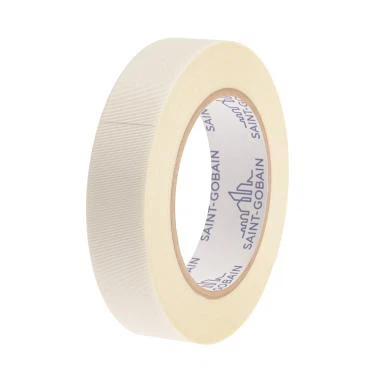
So, can high temperature tapes be used for pipe insulation? The answer is yes, but with some limitations. High temperature tapes can be a viable option for small – scale applications or for quick repairs and reinforcements. However, for large – scale or high – energy – efficiency requirements, traditional insulation materials may be more suitable.
Double Side Polyimide Tape As a high temperature tape supplier, I’m committed to helping my customers find the best solutions for their insulation needs. Our range of high – quality tapes offers a variety of properties to meet different application requirements. If you’re interested in using our high temperature tapes for pipe insulation or have any questions about our products, I encourage you to get in touch with me. We can discuss your specific needs, provide product samples, and offer technical support. Let’s work together to find the most effective insulation solution for your pipes.
References
- "Handbook of Thermal Insulation Materials", CRC Press
- "Adhesive Tapes: Technology and Applications", Hanser Publishers
- Case study reports from industrial plants on high temperature tape applications
STK Tape Company
We’re professional high temperature tapes manufacturers and suppliers in China, specialized in providing high quality products and service. We warmly welcome you to wholesale customized high temperature tapes from our factory.
Address: No. 50-21, Xinlin West Road, Jimei District, Xiamen, China
E-mail: Info@stktape.com
WebSite: https://www.stktape.com/
