Hey there! I’m a supplier of Jp Standard Plug Pins, and I’ve been in this business for quite a while. Over the years, I’ve seen a lot of folks scratching their heads when it comes to identifying these plug pins. So, I thought I’d put together this blog to share some tips and tricks on how to spot a genuine Jp Standard Plug Pin. Jp Standard Plug Pin
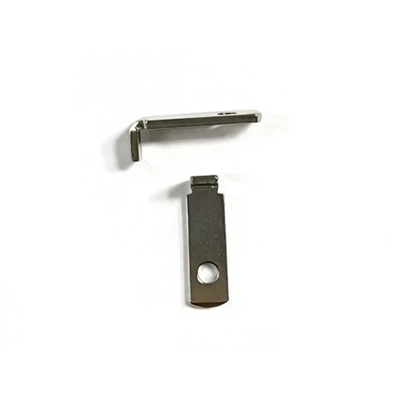
First off, let’s talk about what the Jp Standard is all about. Japan has its own set of electrical standards, and the plug pins are designed to meet these specific requirements. These standards ensure safety and compatibility within the country’s electrical grid. So, when you’re looking for a Jp Standard Plug Pin, you’re looking for something that’s built to these specs.
One of the easiest ways to identify a Jp Standard Plug Pin is by its shape and size. Jp Standard Plug Pins typically have two straight blades, which are parallel to each other. These blades are usually flat and have a specific width and length. The width of the blades is around 6.35 mm, and the length can vary depending on the type of plug, but it’s generally in the range of 15 – 20 mm.
Another important feature is the spacing between the blades. In Jp Standard Plug Pins, the distance between the two blades is about 12.7 mm. This precise spacing is crucial because it allows the plug to fit snugly into Japanese electrical outlets. If you notice that the blades are too close together or too far apart, it’s likely not a Jp Standard Plug Pin.
Color can also be a giveaway. In Japan, most standard electrical plugs are white or light – gray. The plastic housing of the plug is often made from a hard – wearing, heat – resistant material. However, don’t rely solely on color because some non – standard plugs might also come in similar colors. But if you see a plug with a bright, non – typical color like neon orange or fluorescent green, it’s probably not a Jp Standard.
Now, let’s take a look at the markings on the plug. Legitimate Jp Standard Plug Pins will usually have some kind of markings on them. These markings can include the brand name, the voltage rating, and the current rating. The voltage in Japan is typically 100V, so if you see a plug marked for a different voltage, it’s not for Japanese use. The current rating can vary, but common ratings are 10A or 15A.
You should also look for safety certifications. In Japan, plugs need to meet certain safety requirements. Look for markings like PSE (Product Safety of Electrical Appliances and Materials) on the plug. This certification indicates that the plug has passed the necessary safety tests in Japan. If there are no markings or if the markings look faded, smeared, or like they’ve been added later, it could be a sign of a counterfeit plug.
The build quality is another key factor. A good Jp Standard Plug Pin will be well – constructed. The blades should be made of a high – quality metal, usually brass or copper. These metals are good conductors of electricity and are resistant to corrosion. When you hold the plug, it should feel solid in your hand. The plastic housing should be free of cracks, chips, or rough edges. If the plug feels flimsy or if the blades seem loose, it’s probably not a quality Jp Standard Plug.
Some Jp Standard Plug Pins also have a grounding pin. Japanese three – prong plugs are used for appliances that require grounding for safety reasons. The grounding pin is round and is located below the two parallel blades. It’s important to note that not all appliances in Japan need grounding, so you’ll see a mix of two – prong and three – prong plugs. When you’re checking a three – prong plug, make sure the grounding pin is the right size and shape. It should fit properly into the grounding hole of a Japanese outlet.
I’ve found that a lot of people get confused because they might have seen similar – looking plugs from other countries. For example, the US also uses a two – prong plug with straight blades, but the dimensions are different. The US plug blades are usually a bit thinner and shorter, and the spacing between them is also different. So, just because a plug looks similar doesn’t mean it’s a Jp Standard Plug.
If you’re still not sure whether a plug is a Jp Standard Plug Pin or not, it’s always a good idea to measure the dimensions. You can use a caliper or a ruler to check the width and length of the blades, as well as the spacing between them. Make sure to measure carefully, as even a small difference can mean that the plug won’t work properly in a Japanese outlet.
Now, if you’re in the market for Jp Standard Plug Pins, you know what to look for. And that’s where I come in! As a supplier, I offer a wide range of high – quality Jp Standard Plug Pins. All our products are made to meet the strict Japanese electrical standards, and they come with the necessary safety certifications.
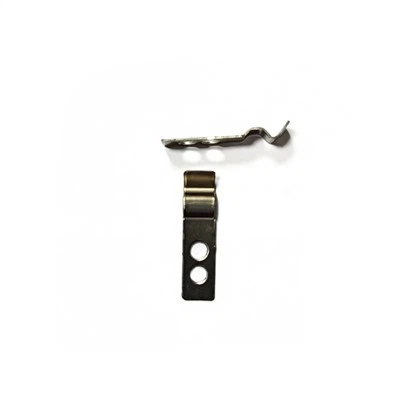
Whether you’re an individual looking to power up your Japanese – made electronics or a business in need of bulk orders, I can help. Our plug pins are made from the best materials, and they’re built to last. If you’re interested in learning more about our products, or if you have any questions about identifying Jp Standard Plug Pins, feel free to reach out. We’re always happy to have a chat and help you find the right plug pins for your needs. Let’s start a conversation and see how we can work together!
Us Standard Plug Pin References
- Electrical Standards in Japan – Ministry of Economy, Trade and Industry Publications
- Guide to Japanese Electrical Appliances and Plugs – Local Electrical Safety Association Reports
Dongguan Fangrun Metal Products Co., Ltd.
We’re well-known as one of the leading jp standard plug pin manufacturers in China, specialized in providing high quality customized products. Please feel free to buy discount jp standard plug pin made in China here from our factory. For quotation and free sample, contact us now.
Address: New Town Industrial Zone,Xiegang Village,Xie Gang Town,Dongguan City
E-mail: 825556703@qq.com
WebSite: https://www.fangrunpin.com/
