Hey there! I’m a supplier of acoustic noise barriers, and I’ve been getting a lot of questions lately about whether these barriers can be combined with other noise control measures. Well, let me tell you, the short answer is yes! And in this blog post, I’m gonna dive deep into the details of why and how you can do just that. Acoustic Noise Barrier
First off, let’s talk about why you might want to combine acoustic noise barriers with other noise control methods. Acoustic noise barriers are great for blocking and reflecting sound waves, but they’re not a one – size – fits – all solution. There are situations where relying solely on a noise barrier might not give you the level of noise reduction you need. For example, if you’re dealing with a high – frequency noise source or a very noisy industrial area, a single noise barrier might not be enough to bring the noise levels down to an acceptable level.
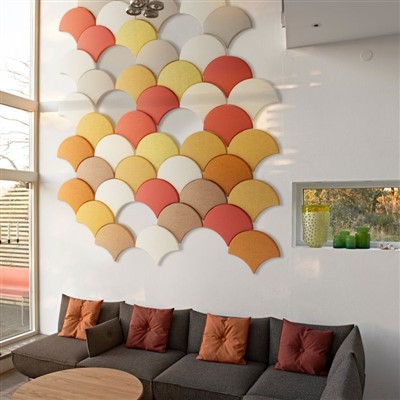
One of the most common noise control measures that can be paired with acoustic noise barriers is sound absorption. Sound absorbers work by converting sound energy into heat energy. When sound waves hit an absorber, they get trapped in the porous material of the absorber, and their energy is dissipated. By placing sound absorbers on the ground near the noise source or on the walls of a building close to the noise, you can reduce the amount of sound that bounces around and reaches the area you’re trying to protect.
Let’s say you’ve installed an acoustic noise barrier around a construction site. The barrier will block a significant amount of the direct sound from the construction equipment. But there will still be some sound that gets around the barrier or reflects off the ground. By adding sound – absorbing panels on the ground near the equipment or on the sides of nearby buildings, you can further reduce the overall noise level. This combination can be especially effective in urban areas where space is limited, and you need to make the most of every noise control opportunity.
Another noise control measure that can be used in conjunction with acoustic noise barriers is vibration isolation. Many noise sources, like industrial machinery or large generators, produce not only airborne noise but also vibration. This vibration can travel through the ground and structures, causing noise in other areas. Vibration isolation systems, such as rubber mounts or spring isolators, can be used to separate the noise – generating equipment from the surrounding structures. By doing this, you can reduce the amount of vibration – induced noise.
When you’re using an acoustic noise barrier around a piece of vibrating equipment, the barrier will block the airborne noise. But if the vibration is not properly isolated, it can still cause noise in other parts of the building or area. By installing vibration isolation systems under the equipment, you can prevent the vibration from spreading and causing additional noise problems. This combined approach can lead to a much quieter environment.
Now, let’s talk about how to actually combine these measures effectively. When it comes to sound absorption and acoustic noise barriers, the key is to place the absorbers strategically. You want to put them in areas where the sound waves are likely to bounce or where they are most concentrated. For example, if the noise source is on one side of a building and the noise barrier is on the other side, you can place sound – absorbing panels on the walls of the building facing the noise source. This way, the absorbers will catch the sound waves before they have a chance to reflect and add to the overall noise level.
For vibration isolation and acoustic noise barriers, it’s important to start with the vibration isolation first. Make sure the equipment is properly isolated from the ground and any other structures. Then, install the acoustic noise barrier around the equipment. This order ensures that both the vibration – induced noise and the airborne noise are addressed in the most efficient way possible.
There are also some other less – common but still effective noise control measures that can be combined with acoustic noise barriers. For instance, active noise control systems can be used. These systems work by generating a sound wave that is the exact opposite (out of phase) of the noise wave. When the two waves meet, they cancel each other out. While active noise control is more commonly used in smaller, enclosed spaces, it can be combined with acoustic noise barriers in larger areas. You can use the noise barrier to block the majority of the noise, and then use the active noise control system to fine – tune the noise reduction in specific areas.
Another option is to use green spaces as a natural noise control measure. Trees and shrubs can act as natural sound absorbers and barriers. By planting a row of trees or shrubs in front of an acoustic noise barrier, you can enhance the overall noise reduction. The plants will absorb some of the sound energy, and they can also add an aesthetically pleasing element to the area.
So, as you can see, there are plenty of ways to combine acoustic noise barriers with other noise control measures. The benefits of doing so are numerous. You can achieve a higher level of noise reduction, which is especially important in areas where strict noise regulations need to be met. You can also create a more comfortable and quiet environment for people living or working nearby.
If you’re dealing with a noise problem and you’re considering using acoustic noise barriers, I highly recommend thinking about how you can pair them with other noise control methods. Every situation is unique, and a customized approach is often the best way to get the results you want.
Whether you’re a developer looking to reduce noise around a new construction project, an industrial facility owner trying to meet noise standards, or a homeowner dealing with a noisy neighbor or a nearby road, combining these noise control measures can make a big difference.
If you’re interested in learning more about how acoustic noise barriers can work in combination with other noise control measures for your specific situation, or if you’re ready to start a project and need to purchase high – quality acoustic noise barriers, don’t hesitate to reach out. We’re here to help you find the best solutions for your noise control needs.
Fiberglass Ceiling Panels References
- "Noise Control Engineering: Principles and Applications" by Cyril M. Harris
- "Fundamentals of Acoustics" by Leo L. Beranek
Guangzhou MQ Acoustic Materials Co., Ltd.
Guangzhou MQ Acoustic Materials Co., Ltd. is one of the most professional acoustic noise barrier manufacturers and suppliers in China, featured by quality products and low price. Welcome to buy CE approved acoustic noise barrier in stock here and get quotation from our factory. We also accept customized orders.
Address: Room D403, KeZhu Business Building, ZhuJi Road, TianHe District, GuangZhou, China
E-mail: Lizzy@mq-acoustics.com
WebSite: https://www.acoustic-projects.com/
