Hey there! I’m working as a supplier of piping connectors, and I often get asked by customers about how to connect a piping connector to a compressed-air system. It’s a common question, so I thought I’d share some insights on this topic. Piping Connectors
Understand Your Compressed – Air System First
Before you even start thinking about connecting a piping connector, you need to understand your compressed – air system. First off, check the pressure of the system. Compressed – air systems can operate at different pressures, typically ranging from around 80 to 120 psi (pounds per square inch), but it can vary depending on the specific application. You can find the pressure rating on a label or a gauge installed on the compressor unit.
Also, pay attention to the type of compressor you have. There are reciprocating compressors, rotary screw compressors, and centrifugal compressors, each with its own unique characteristics. For example, reciprocating compressors are good for small – scale applications and can produce a relatively high pressure, while rotary screw compressors are more suitable for continuous and large – volume air supply.
Selecting the Right Piping Connector
Choosing the correct piping connector is crucial. You need to consider several factors. One of the most important ones is the material. Common materials for connectors include brass, stainless steel, and plastic.
Brass connectors are popular because they’re pretty durable and have good corrosion resistance. They can handle a decent amount of pressure and are often used in general – purpose compressed – air systems. Stainless – steel connectors, on the other hand, are even more resistant to corrosion, which makes them ideal for environments where there’s a lot of moisture or chemicals. Plastic connectors are lightweight and inexpensive, but they may not be suitable for high – pressure systems.
Another factor is the size of the connector. It has to match the size of the pipes in your compressed – air system. You’ll usually find pipe sizes specified in inches, like 1/4", 1/2", or 3/4". Make sure you measure the inner diameter of your pipes accurately to get the right – sized connector.
Preparing for the Connection
Once you’ve selected the appropriate piping connector, it’s time to prepare for the connection. Start by cleaning the ends of the pipes. Any dirt, debris, or rust on the pipe ends can prevent a proper seal and cause air leaks. You can use a wire brush or sandpaper to clean the pipes.
After cleaning, you may want to apply a thread sealant on the male threads of the connector. This helps to create an air – tight seal and prevents leaks. There are different types of thread sealants available, such as Teflon tape or pipe dope. Teflon tape is easy to use; you just wrap it around the male threads in a clockwise direction for a few turns. Pipe dope, which comes in a tube or a can, needs to be applied evenly on the threads.
Making the Connection
Now for the actual connection process. First, align the connector with the pipe. If you’re using a threaded connector, carefully start screwing it onto the pipe by hand. This initial hand – tightening helps to ensure that the threads engage properly.
Once you’ve started the threading, you can use a pipe wrench to tighten the connector further. Make sure not to over – tighten, as this can damage the threads or distort the connector. You want to achieve a snug fit that will prevent air leaks but not cause any structural issues.
If you’re using a push – to – connect fitting, it’s even simpler. Just insert the pipe into the fitting until it clicks, and you’re done. These fittings are great because they’re quick and easy to install, and they often come with built – in seals.
Testing the Connection
After making the connection, it’s essential to test it for leaks. You can do a simple bubble test. Mix some soapy water in a spray bottle and spray it around the connection area. If there are any bubbles, it means there’s an air leak. In that case, you’ll need to tighten the connector a bit more or check if the thread sealant was applied correctly.
Another option is to use a pressure tester. Connect the pressure tester to the system and check if the pressure remains stable over a period of time. If the pressure drops, there’s likely a leak somewhere in the system, and you’ll need to investigate further.
Maintenance and Troubleshooting
Once the connection is successfully made and tested, regular maintenance is important. Inspect the connectors periodically for signs of wear and tear, corrosion, or damage. If you notice any issues, replace the connector as soon as possible to avoid air leaks or other problems.
If you do encounter an air leak later on, don’t panic. First, make sure the compressor is turned off and released of all pressure. Then, check the connection for loose fittings or damaged seals. In some cases, you may just need to tighten the connector again or replace the thread sealant.
Why Choose Our Piping Connectors
As a supplier of piping connectors, I can tell you that our products are of top – notch quality. We’ve been in the business for a long time, and we understand what customers need. Our connectors are made from high – grade materials, which means they’re durable and reliable. Whether you need brass, stainless – steel, or plastic connectors, we’ve got you covered.
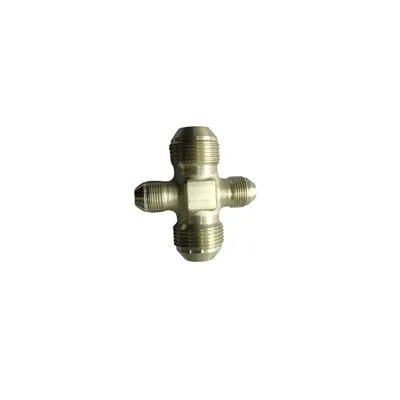
We also offer a wide range of sizes to fit different types of compressed – air systems. No matter if you have a small – scale workshop or a large industrial facility, we can provide the right connectors for you. And our prices are very competitive. We believe that quality products don’t have to break the bank.
Piping Connectors If you’re interested in purchasing our piping connectors for your compressed – air system, don’t hesitate to reach out. We’re always happy to answer any questions you have and guide you through the selection process. Contact us for a free consultation and let’s discuss how we can help you with your piping needs.
References
- Compressed Air Systems Handbook, 2nd Edition
- Plumbing and Piping Systems Manual
- Handbook of Piping Design and Installation Guidelines
Jiangxi Zhiyi Machinery Manufacturing Co., Ltd.
As one of the most professional piping connectors manufacturers and suppliers in China, we also support customized service. Please rest assured to wholesale bulk piping connectors in stock here from our factory. If you have any enquiry about quotation, please feel free to email us.
Address: Jiahai Industrial Park, No. 2799 Tianxiang Avenue, High-tech Zone, Nanchang City, Jiangxi Province.
E-mail: zgjxzy@163.com
WebSite: https://www.chinazhiyi.com/
