Hey there! I’m a supplier of PLC cabinets, and today I wanna chat about the ease of remote expansion of a PLC cabinet. It’s a topic that’s been getting a lot of buzz lately, and I’m stoked to share my thoughts and experiences with you. Plc Cabinet
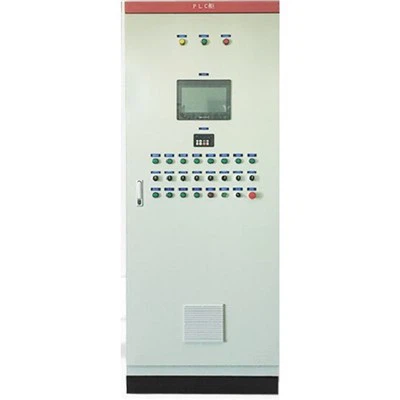
First off, let’s talk about what a PLC cabinet is. For those of you who aren’t in the know, a Programmable Logic Controller (PLC) cabinet is like the brain center of an industrial automation system. It houses all the important components that control and monitor various processes in a factory or other industrial setting. These cabinets are crucial for keeping everything running smoothly, and they can handle a wide range of tasks, from simple on – off operations to complex, multi – step processes.
Now, the question is, how easy is it to expand a PLC cabinet remotely? Well, in the past, expanding a PLC cabinet was often a real pain in the neck. You’d have to send a technician on – site, which could be time – consuming and expensive, especially if the cabinet was located in a remote area or a hard – to – reach place. There were also risks involved, like potential damage to the existing system during the installation process.
But things have changed a lot in recent years, thanks to advancements in technology. One of the biggest game – changers is the development of remote access and communication protocols. With the right setup, you can now access and manage your PLC cabinet from just about anywhere in the world. This means that expanding the cabinet can be done without having someone physically present at the location.
Let’s break down the steps involved in remotely expanding a PLC cabinet and see how easy it really is.
Step 1: Assessment
The first thing you need to do is assess the current state of your PLC cabinet. You can use remote monitoring tools to check the existing hardware, software, and network configuration. These tools allow you to see things like the available input/output (I/O) ports, the processing power, and the overall health of the system. It’s like having a virtual tour of the cabinet without leaving your desk.
For example, I’ve used software that can give me real – time data on the temperature inside the cabinet, the power consumption, and whether any components are showing signs of wear and tear. This information is crucial because it helps you figure out what kind of expansion you need and whether the existing system can support it.
Step 2: Planning
Once you’ve done the assessment, it’s time to plan the expansion. You need to decide what new components you’re going to add, like additional I/O modules, communication cards, or even a new CPU. This is where you really need to know your stuff, but with the right knowledge and some good planning tools, it’s not as hard as it sounds.
You can use simulation software to model the expanded system and see how it will perform. This helps you avoid any potential issues before you actually start making changes. For instance, you can check if the new components will overload the power supply or if they’ll interfere with the existing network.
Step 3: Ordering the Parts
After you’ve planned everything out, it’s time to order the parts. As a PLC cabinet supplier, I’m always here to help with this. We have a wide range of high – quality components that are compatible with most PLC systems. And because we understand the importance of quick turnaround times, we make sure to get your order to you as fast as possible.
Step 4: Installation and Configuration
This is where the real magic happens. Thanks to remote installation and configuration tools, you can install and set up the new components without being on – site. Most modern PLCs come with user – friendly software that allows you to perform tasks like uploading new programs, configuring I/O settings, and setting up communication protocols remotely.
For example, you can use a secure VPN connection to access the PLC cabinet’s network. Then, you can use the manufacturer’s software to install the new components one by one. The software will guide you through the whole process, step by step. It’s like having a virtual technician right there with you.
Step 5: Testing
Once the installation and configuration are done, it’s time to test the expanded system. You can run a series of tests remotely to make sure everything is working as it should. You can check the input and output signals, monitor the system’s performance, and look for any error messages.
If you run into any issues during the testing phase, don’t worry. You can use the diagnostic tools in the PLC software to troubleshoot the problem. And if you need more help, you can always reach out to me or other technical support experts.
Benefits of Remote Expansion
There are a ton of benefits to remotely expanding a PLC cabinet. First of all, it saves a lot of time and money. You don’t have to pay for travel expenses for technicians, and you can get the expansion done much faster. This means less downtime for your industrial processes, which translates into more productivity and more profit.
Secondly, it reduces the risk of human error. When you have someone on – site doing the expansion, there’s always a chance that they might make a mistake. But with remote expansion, you can follow a set of pre – defined procedures and use automated tools to minimize the risk.
Finally, it offers greater flexibility. You can expand your PLC cabinet at any time, regardless of where you are or what the weather is like at the cabinet’s location. This is especially useful for companies that have multiple facilities in different parts of the world.
Challenges
Of course, remote expansion isn’t all sunshine and rainbows. There are a few challenges that you might face. One of the biggest challenges is the network connection. If the network is unstable or slow, it can make the remote installation and configuration process difficult or even impossible. That’s why it’s important to have a reliable network infrastructure in place.
Another challenge is security. When you’re accessing and making changes to a PLC cabinet remotely, you need to make sure that your connection is secure. You should use strong passwords, encryption, and other security measures to protect your system from unauthorized access.
So, in a nutshell, the ease of remote expansion of a PLC cabinet has improved significantly in recent years. With the right tools and knowledge, you can expand your cabinet quickly, easily, and cost – effectively.
Low-Voltage Switchgear If you’re thinking about expanding your PLC cabinet remotely, or if you just have some questions about it, don’t hesitate to reach out. As a PLC cabinet supplier, I’ve got the experience and the expertise to help you every step of the way. Let’s have a chat and see how we can make your expansion project a success.
References
- "Automation Handbook" by David A. H. Jacobs
- "Programmable Logic Controllers: Principles and Applications" by Joseph J. Carr
Yuanzhuo Electrical Equipment (Jiangsu) Co., Ltd.
We’re well-known as one of the leading plc cabinet manufacturers and suppliers in China. We warmly welcome you to wholesale high quality plc cabinet at competitive price from our factory. If you have any enquiry about cooperation, please feel free to email us.
Address: Group 8, Chengdong Village, Fucheng Sub-district Office, Funing County
E-mail: markcheng1358@126.com
WebSite: https://www.yzdlchina.com/
