Titanium alloys are renowned for their exceptional strength-to-weight ratio, corrosion resistance, and high-temperature performance, making them a top choice in various industries. As a titanium forging supplier, I have witnessed firsthand the diverse applications and the specific alloys that are commonly used in forging processes. In this blog, I’ll delve into the types of titanium alloys frequently employed in forging and explore their unique properties and applications. Titanium Forging
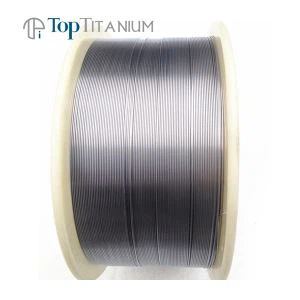
Commercially Pure Titanium (CP Titanium)
Commercially pure titanium is one of the most basic yet widely used titanium materials in forging. It is classified into four grades (Grade 1, Grade 2, Grade 3, and Grade 4), each with varying levels of interstitial elements such as oxygen, nitrogen, and iron.
Grade 1 is the softest and most ductile of the commercially pure titanium grades. It has excellent formability and corrosion resistance, making it suitable for applications where ease of fabrication is crucial. For example, it is often used in chemical processing equipment, marine components, and architectural applications.
Grade 2 is the most commonly used commercially pure titanium grade. It offers a good balance of strength, ductility, and corrosion resistance. This grade is widely used in aerospace, automotive, and medical industries. In aerospace, it can be found in aircraft skin, fasteners, and structural components. In the medical field, Grade 2 titanium is used for surgical implants due to its biocompatibility.
Grade 3 has a higher strength than Grade 2 while still maintaining good ductility. It is often used in applications where higher strength is required, such as in some aerospace and industrial applications.
Grade 4 is the strongest of the commercially pure titanium grades. It is used in applications that demand high strength and corrosion resistance, such as in the oil and gas industry for downhole components and in military applications.
Alpha Titanium Alloys
Alpha titanium alloys are characterized by their single-phase alpha microstructure at room temperature. These alloys typically contain elements such as aluminum and tin, which stabilize the alpha phase.
One of the most well-known alpha titanium alloys is Ti-5Al-2.5Sn. This alloy offers good strength, excellent weldability, and high-temperature stability. It is commonly used in aerospace applications, particularly in the manufacture of aircraft engine components, such as compressor blades and discs. The high aluminum content in this alloy provides solid-solution strengthening, which enhances its strength and creep resistance at elevated temperatures.
Another alpha alloy is Ti-8Al-1Mo-1V. This alloy has a higher aluminum content than Ti-5Al-2.5Sn, which results in even higher strength and better oxidation resistance. It is used in applications where high strength and corrosion resistance are required, such as in aerospace and chemical processing industries.
Alpha-Beta Titanium Alloys
Alpha-beta titanium alloys are a combination of alpha and beta phases at room temperature. These alloys offer a wide range of mechanical properties, depending on the alloy composition and heat treatment.
Ti-6Al-4V is the most widely used alpha-beta titanium alloy. It is often referred to as the "workhorse" of the titanium industry. This alloy has a good balance of strength, ductility, and corrosion resistance. It is used in a variety of applications, including aerospace, automotive, and medical industries. In aerospace, Ti-6Al-4V is used for aircraft structural components, landing gear, and engine parts. In the medical field, it is used for orthopedic implants and dental fixtures due to its biocompatibility and high strength.
Ti-6Al-2Sn-4Zr-2Mo is another alpha-beta alloy that offers high strength and good fracture toughness. It is commonly used in aerospace applications, particularly in the manufacture of aircraft frames and wing structures. The addition of tin, zirconium, and molybdenum enhances the alloy’s strength and toughness, making it suitable for high-stress applications.
Beta Titanium Alloys
Beta titanium alloys have a fully beta microstructure at room temperature. These alloys are known for their high strength, excellent formability, and good corrosion resistance.
Ti-10V-2Fe-3Al is a beta titanium alloy that offers high strength and good ductility. It is commonly used in aerospace applications, particularly in the manufacture of aircraft landing gear and structural components. The high vanadium content in this alloy provides solid-solution strengthening, which enhances its strength and hardness.
Ti-15V-3Cr-3Al-3Sn is another beta titanium alloy that offers excellent formability and high strength. It is used in applications where complex shapes need to be formed, such as in the aerospace and automotive industries. The addition of vanadium, chromium, aluminum, and tin enhances the alloy’s strength and corrosion resistance.
Applications of Titanium Forgings
The unique properties of titanium alloys make them suitable for a wide range of applications. In the aerospace industry, titanium forgings are used in aircraft engines, airframes, and landing gear. The high strength-to-weight ratio of titanium alloys reduces the weight of the aircraft, which in turn improves fuel efficiency and performance.
In the automotive industry, titanium forgings are used in engine components, suspension systems, and exhaust systems. The high strength and corrosion resistance of titanium alloys make them ideal for these applications, as they can withstand high temperatures and harsh environments.
In the medical industry, titanium forgings are used for surgical implants, such as hip and knee replacements, dental implants, and spinal fusion devices. The biocompatibility of titanium alloys ensures that they are well-tolerated by the human body, reducing the risk of rejection and infection.
In the chemical processing industry, titanium forgings are used in equipment such as heat exchangers, reactors, and piping systems. The corrosion resistance of titanium alloys makes them suitable for handling corrosive chemicals and high-temperature fluids.
Why Choose Our Titanium Forging Services
As a titanium forging supplier, we have extensive experience in working with a variety of titanium alloys. Our state-of-the-art forging facilities and advanced manufacturing processes allow us to produce high-quality titanium forgings that meet the strictest industry standards.
We offer a wide range of forging services, including open die forging, closed die forging, and ring rolling. Our team of experienced engineers and technicians can work with you to develop custom solutions that meet your specific requirements.
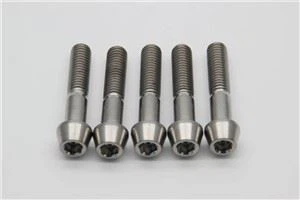
We also provide value-added services such as machining, heat treatment, and surface finishing. Our goal is to provide you with a complete solution that meets your needs from start to finish.
Titanium Bar If you are looking for a reliable titanium forging supplier, we invite you to contact us to discuss your project. Our team of experts will be happy to answer any questions you may have and provide you with a quote. We look forward to working with you to meet your titanium forging needs.
References
- "Titanium: A Technical Guide" by J. R. Davis
- "The Properties and Applications of Titanium" by G. E. F. Lundin
- "Titanium Alloys for Aerospace Applications" by R. Boyer
Baoji Top Titanium Industry Co., Ltd.
As one of the most professional titanium forging manufacturers and suppliers in China, we’re featured by quality products and good price. Please rest assured to buy bulk titanium forging in stock here and get quotation from our factory. Customized orders are welcome.
Address: No. 2, South Section Of Phoenix 2nd Road,High-Tech Zone, Baoji,Shaanxi, China (Mainland)
E-mail: sales@bjtopti.com
WebSite: https://www.china-topti.com/
