Hey folks, let’s cut to the chase – if you’re in the injection moulding game, you’ve definitely run into high-temperature engineering plastics at some point. Maybe it’s PEEK, PEKK, Ultem (PEI), or PPSU – those workhorses that handle extreme heat, chemicals, and mechanical stress like champs. But here’s the big question I get at least three times a week: “Can your electric pre-plasticizing injection moulding machines even handle this stuff?” As a supplier of these machines, I deal with this exact query all the time, so let’s break it down like we’re chatting over a coffee (no stuffy jargon, promise). Electric Pre-Plasticizing Injection Moulding Machine

First off, let’s get one thing straight: not all electric pre-plasticizing machines are created equal. I see a lot of guys out there with budget models that can’t make it past standard polypropylene or ABS, let alone anything that needs temps above 300°C. But if you’ve got a properly built one, electric pre-plasticizing machines are actually pretty good at processing high-temp engineering plastics – way better than some people give them credit for. Let’s start with why high-temp plastics are such a pain in the first place, because that’ll make sense of why machine specs matter so much.
High-temp engineering plastics (let’s just call them HT-EPs from now on, I hate typing the whole thing every time) are designed to withstand temps that’d turn regular plastic into a puddle. For example, PEEK’s glass transition temp is around 143°C, but it needs to be melted at 360–400°C to flow right. Ultem hits that sweet spot at 340–380°C, and even PPSU needs 320–380°C. The problems here are twofold: you need precise, consistent heat to melt these without degrading them, and you need enough torque and pressure to push that thick, viscous molten plastic through the nozzle and into the mould – especially for tight-tolerance parts like medical implants or aerospace components.
Now, electric pre-plasticizing machines use servo motors instead of hydraulic systems. Hydraulics have been the go-to for decades for high-temp work, right? They’re strong, but they leak, use more energy, and their heat control is less precise. Servo motors on electric pre-plasticizing setups, though? They’ve got way better accuracy. Let’s talk about the plasticizing unit first – that’s the part that melts the plastic, and it’s make-or-break for HT-EPs. The barrel has to handle super high temps, so we use special alloy steel lined with wear-resistant material, not the basic stuff for regular plastics. We also split the barrel into multiple heating zones – like 5 or 6 instead of 3 – so we can tweak the temp exactly where we need it. For PEEK, for example, we might have the feed zone at 280°C, the middle zones ramping up to 380°C, and the nozzle zone held steady at 385°C to keep the plastic flowing but not start breaking down (degradation is a huge issue with HT-EPs – if you overheat them too much, they get brittle, lose strength, or turn brown).
The servo motor on the plasticizing screw is another key part. High-temp plastics melt into a much thicker, more viscous goo than ABS or PP. So you need a motor that can deliver consistent torque, not just brute force. Our machines have high-torque servo drives that adjust in real time – if the screw hits a harder spot in the plastic, it cranks up the torque just enough without overloading. No more inconsistent melt quality, which is a big problem when you’re making parts that need to pass fire or tensile strength tests. I’ve seen a lot of shops try to use old hydraulic machines for PEEK, and they end up with parts that have weak spots because the melt temp swings 10 or 15°C every cycle. Our electric ones hold temp within ±1°C, which is game-changing for HT-EPs.
Wait, but what about pressure? Moulding HT-EPs requires higher injection pressure, right? Electric injection units on our machines can deliver up to 2,500 bar, which is more than enough for even the thickest HT-EP melts. And because it’s servo-driven, the pressure is super precise too – you don’t get that “hydraulic surge” where the pressure spikes at the start of the injection cycle, which can warp delicate moulds or cause part defects. For parts that are just a few millimeters thick but need to fill a large, complex mould (like a medical device component), that consistent pressure means you get full, uniform fills every time, no dry spots or short shots.
Now, let’s address the elephant in the room: is there any catch? Yeah, if you get a cheap electric pre-plasticizing machine, you’ll run into issues. The ones that cut corners on the barrel material, use low-quality servo motors, or only have 3 heating zones? They’ll struggle with HT-EPs, especially the super high-temp ones like PEKK which needs up to 420°C. But that’s not a flaw in the electric pre-plasticizing design – that’s a flaw in the build quality. We’ve even got customers who switched from hydraulic machines specifically for HT-EPs, because they were tired of the waste from hydraulic leaks and the high energy bills. One aerospace parts shop told me they cut their energy use by 35% when they switched to our electric pre-plasticizing machine for PPSU parts, and their defect rate dropped by 12%. That’s not a fluke.
Another thing: drying. HT-EPs are super hygroscopic – they absorb moisture from the air, and if you don’t dry them properly before moulding, you get hydrolysis, which makes the parts weak. Wait, how does that relate to the machine? Well, our electric pre-plasticizing machines are often paired with integrated drying hoppers that have precise temp and dew point control, way better than the standalone units most shops use. We’ve even designed the hopper outlet to feed directly into the barrel’s feed zone without exposing the dried plastic to air, so no reabsorption. That’s a small design tweak but it makes a huge difference for HT-EP processing. I’ve seen guys ruin $500 worth of PEEK pellets because they skipped the extra drying step, and our machine’s integrated system eliminates that guesswork.
Let’s talk about real-world examples to make this concrete. We’ve got a medical device client that makes surgical tools out of Ultem. They were using a hydraulic machine for years, but their cycle times were all over the place, and they’d have to do extra machining to fix parts that didn’t meet dimensional specs. Since they switched to our electric pre-plasticizing machine last year, their cycle time is consistent, their part accuracy is within 0.02mm every cycle, and they don’t have to do that extra machining anymore. Another customer makes electrical connectors out of LCP (liquid crystal polymer, which is another high-temp engineering plastic) and they needed parts that could withstand 260°C soldering temps. Their old machine was causing flow lines in the connectors, but with our machine’s precise melt control, those flow lines are gone, and the connectors pass all their thermal stress tests.
Now, let’s bust a common myth: some people think electric pre-plasticizing machines can’t handle the “shock” of high-temp plastics. No, that’s not how it works. The pre-plasticizing design is what makes these good for HT-EPs – the screw rotates to melt the plastic and builds up a shot of molten plastic in front of it, then the injection unit moves forward to push that shot into the mould. That pre-plasticizing step lets you control the melt quality before you even inject it, which is perfect for HT-EPs that need a uniform, consistent melt. Hydraulic machines often combine plasticizing and injection in one step, so you don’t get that same level of control.
Wait, what about maintenance? A lot of shops are worried that electric machines will be harder to keep running, especially when dealing with tough plastics. Honestly, the opposite is true. Hydraulic machines have tons of moving parts, seals that need replacing every few months, and hydraulic fluid that has to be changed regularly. Our electric pre-plasticizing machines have way fewer parts – the servo motors are sealed, no fluid to leak or change, and the only regular maintenance is cleaning the barrel and screw, which is the same as any injection machine. For HT-EPs, you do have to make sure the barrel isn’t getting buildup from degraded plastic, but that’s just standard practice, not a machine issue. We even include a simple cleaning cycle in the machine’s software that ramps down the temp slowly and flushes the barrel with a safe plastic, so you don’t have to take the barrel apart every time you switch materials.
Is there a limit to what our electric pre-plasticizing machines can process? Let’s be real – no machine can handle everything. The absolute highest temp engineering plastics, like some specialty polyimides that need 450°C+, would require some custom tweaks, but even then, we can modify our barrel and heating zones to hit that. For 99% of the HT-EPs people work with – PEEK, Ultem, PPSU, LCP, PEKK, even some high-temp nylons – our standard electric pre-plasticizing machines work perfectly. The key is that we engineered these machines from the start to handle those high temps and the viscous melts, not just modified a regular plastic machine to do it.
Let’s circle back to that original question: Can electric pre-plasticizing machines process high-temperature engineering plastics? The short answer is yes – if they’re designed and built right. The bad budget models can’t, but the ones from reputable suppliers that focus on industrial, high-precision machines absolutely can, and they often outperform hydraulic setups in terms of quality, consistency, and cost.
I know a lot of you are probably thinking, “Yeah, but hydraulic machines have been around forever, why switch?” Because technology has moved on. Electric pre-plasticizing machines aren’t just a trend – they solve real problems with HT-EP processing: more consistent melt quality, lower energy use, less waste, better part accuracy, and less maintenance. If you’re struggling with defects when moulding HT-EPs, or your energy bills are through the roof for your hydraulic setup, it’s worth checking out what electric pre-plasticizing machines can do.
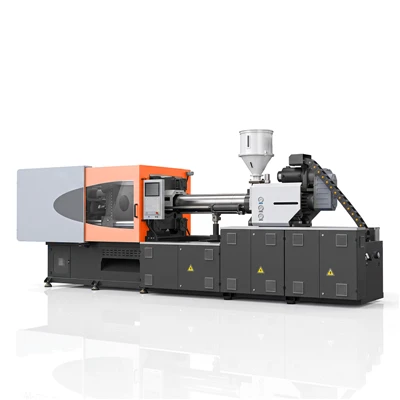
At the end of the day, the proof is in the parts. We’ve got hundreds of customers using our machines for HT-EPs in medical, aerospace, automotive, and electronics, and they’re not just getting by – they’re improving their processes and their bottom line. If you’re working with high-temperature engineering plastics and want to stop fighting your machine, let’s chat. We can walk through your specific material, your part requirements, and see if our electric pre-plasticizing machines are a fit for your operation. No pressure, no sales pitch that’s too good to be true, just straight talk about what works for high-temp moulding.
Fruit Crate Injection Molding Machine References:
- Rosato, D. V., & Rosato, M. G. (2012). Injection Molding Handbook (5th ed.). Hanser Publications.
- Baird, D. G., & Colton, R. J. (2019). Polymer Engineering Principles: Properties, Processes, and Tests for Design (2nd ed.). CRC Press.
- Society of Plastics Engineers (SPE). (2021). "High-Temperature Engineering Plastics for Injection Molding: Process Considerations". SPE Technical Papers.
- Davis, J. R. (Ed.). (2004). Materials for High-Temperature Applications. ASM International.
Ningbo Yalishi (Arlex) Plastic Machinery Co., Ltd.
Ningbo Yalishi(Arlex) Plastic Machinery Co., Ltd. is one of the most reliable electric plasticizing injection moulding machine manufacturers and suppliers in China, featured by quality products and low price. Please rest assured to wholesale cheap electric plasticizing injection moulding machine made in China here from our factory. Customized orders are welcome.
Address: No.63, Huangsu East Road, Industrial Zone, Dongqian Lake Tourist Resort, Ningbo, Zhejiang Province
E-mail: leo@arlex.cn
WebSite: https://www.arleximm.com/
