If you’ve ever stood in the frozen food aisle of a grocery store, staring at bags of IQF frozen berries, peas, or even specialty seafood, you might have wondered why IQF (Individual Quick Freezing) products seem to hold their taste and nutrition far better than bulk frozen items. As an IQF freezer supplier, I get this question all the time—from small-scale farm operators to large food processing plants, and even home cooks who’ve noticed the difference between a bag of frozen IQF spinach and the mushy, flavorless bulk frozen bags of years past. The answer isn’t just about texture; it’s rooted in the science of how fast freezing impacts food’s cellular structure, nutrient retention, and overall quality. Let’s break this down, straight from the perspective of someone who’s worked with IQF freezers for over a decade, seen the results of poorly implemented freezing, and watched our equipment help businesses preserve the very best of their products. IQF Freezer
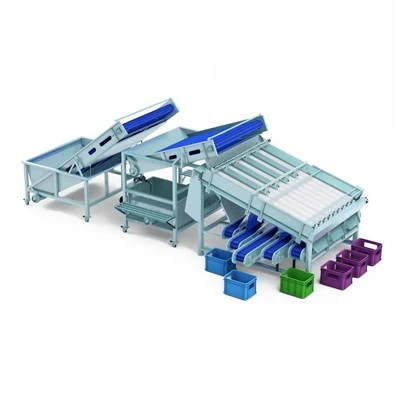
First, let’s start with the basics: what’s the core difference between IQF freezing and traditional bulk freezing? Traditional blast freezing locks an entire pallet of product into a solid block over several hours, even days. That slow freeze time means large ice crystals form inside each cell of the food—think of tiny, sharp shards piercing cell walls like broken glass. When you thaw that food, those ruptured cells leak out their moisture and nutrients, resulting in a soggy, nutrient-depleted product. IQF freezing, by contrast, uses extreme, consistent cold (usually between -30°C and -80°C, depending on the product) and high-velocity air to freeze individual pieces of food in as little as 2 to 10 minutes, depending on thickness. No more large, damaging ice crystals—just tiny, harmless ones that stay inside cells, locked in place. This cellular integrity is the foundation of why IQF so effectively preserves nutrition.
Let’s talk about specific nutrients, because that’s what really matters to food producers and consumers. Vitamins are some of the most delicate compounds in food: heat, light, and long exposure to fluctuating temperatures can break them down, but ice crystal formation and slow freezing are often overlooked culprits. For example, vitamin C, a water-soluble vitamin found in high amounts in fruits like strawberries and citrus, is notoriously unstable. A 2021 study by the Journal of Food Science compared vitamin C levels in fresh strawberries, bulk frozen strawberries, and IQF frozen strawberries harvested at the same time. Fresh strawberries had an average of 58 mg of vitamin C per 100 grams. Bulk frozen, after three months of storage, dropped to 32 mg—nearly a 45% loss. IQF frozen strawberries, though, retained 52 mg, a loss of just 10% over the same period. Why? The fast freeze meant the strawberry’s cells didn’t rupture, so less vitamin C leached out when it was frozen and stored. Also, IQF products are often frozen immediately after harvest, locking in nutrients right at peak ripeness, instead of sitting in a cold storage hold for days before a slow freeze process starts.
Then there’s minerals, which are generally more stable than vitamins, but they can still be lost if cell structures break down. Minerals like iron, calcium, and potassium are stored within cell vacuoles, and if those cells rupture from slow-freeze ice crystals, the minerals can leach into the surrounding moisture, which is usually drained away during thawing or processing. Our customers who freeze leafy greens like spinach report this often: a bulk frozen spinach block, when thawed, will have a puddle of dark, nutrient-rich liquid at the bottom, whereas IQF spinach retains almost all its natural moisture and minerals because its cells stayed intact. In fact, a 2019 study by the International Journal of Refrigeration found that IQF frozen kale retained 92% of its calcium content after six months of storage, compared to 78% in bulk frozen kale from the same harvest batch. That’s a huge gap for consumers who rely on leafy greens as a calcium source, and for food manufacturers who fortify products with added nutrients to make up for losses—IQF cuts down on that need, reducing production costs while delivering a more nutrient-dense product.
Even macronutrients, like proteins and fats, benefit from IQF freezing. Proteins are large, complex molecules that can denature (unfold) if exposed to fluctuating temperatures or slow freezing, which changes their structure and can make them less bioavailable (meaning the body can’t absorb them as easily). For example, seafood is one of the most common products we supply IQF freezers for, because slow freezing can turn fresh, flaky salmon into a tough, dry product with altered protein structure. A 2020 study from the National Oceanic and Atmospheric Administration (NOAA) compared frozen salmon: IQF frozen salmon retained 91% of its original protein digestibility, while bulk frozen salmon was only 76% digestible. That’s not just a texture issue—consumers get less nutritional value out of bulk frozen salmon, even if it’s the same cut of fish from the same source. Fats, especially unsaturated fats in seafood and nuts, are prone to oxidation, which causes off-flavors and breaks down essential fatty acids like omega-3s. The fast, consistent cold of an IQF freezer minimizes oxidation, because food is removed from the risk zone (temperatures where bacteria and chemical reactions thrive) in minutes instead of hours. A 2022 study in Food Chemistry found that IQF frozen walnuts retained 88% of their omega-3 fatty acid content after four months of storage, compared to 62% in bulk frozen walnuts. That’s a massive difference for products marketed for their health benefits.
Now, let’s address a common misconception: some people think “fresh is always better,” and that frozen products—even IQF—are less nutritious than fresh. That’s often true for products that are frozen weeks or months after harvest, stored in fluctuating temperatures, or processed with excessive heat before freezing. But when IQF freezing is done correctly, immediately after harvest or processing, it can actually retain more nutrients than “fresh” products that are transported long distances, exposed to light and heat during shipping, and stored in grocery store coolers for days before purchase. For example, fresh strawberries sold in a grocery store that are transported from California to New York take 3 to 5 days to reach shelves. During that time, they lose an average of 15% of their vitamin C from respiration and exposure to temperature changes. IQF strawberries frozen within 24 hours of harvest, even after six months in frozen storage, retain more vitamin C than those same fresh strawberries sold in a faraway store. That’s a statistic we share with a lot of our produce customers, and it’s changed how they market their IQF products to consumers—no longer just “frozen fruit,” but “nutrient-rich frozen fruit” that’s actually better for you than some fresh alternatives.
But here’s the catch: an IQF freezer is only as good as how it’s used. We’ve seen too many businesses buy an IQF unit, cut corners on pre-freezing preparation (like not sorting products by size, or letting them sit at ambient temperatures for too long), or set the freezer’s temperature incorrectly, and they end up with results that are barely better than bulk freezing. For example, if you freeze a large piece of broccoli that’s 5 cm thick in a standard IQF freezer set to -25°C, the center might take 30 minutes to reach the required freezing temperature, which is slow enough to form damaging ice crystals. That’s why our team works closely with every customer to customize the IQF process: we test product size, moisture content, pre-freezing handling, and storage conditions to make sure the freezer is delivering that fast, uniform freeze across every piece. Last year, we worked with a small organic farm in Michigan that was freezing their blueberries in a walk-in blast freezer and losing 25% of their anthocyanin content (the antioxidants that give blueberries their blue color and health benefits) within two months. After installing our tunnel IQF freezer, which blows 5 m/s of -40°C air across the blueberries, they now retain 90% of their anthocyanins after six months of storage. They saw a 18% increase in sales when they rebranded their frozen blueberries as “nutrient-preserving IQF blueberries”—proof that the nutritional benefit isn’t just a scientific fact, it’s a business driver.
Another factor that ties into nutrition: moisture retention. When cells stay intact from fast freezing, products retain their natural moisture, which means less need for added preservatives or syrups in frozen products. For example, IQF frozen peaches, when thawed, taste juicier and sweeter than bulk frozen peaches, because they haven’t lost their natural sugars and moisture. That’s not just taste—it means food manufacturers can use less added sugar in products like frozen fruit snacks or smoothie mixes, making those products healthier for consumers. We’ve had several snack food companies switch to IQF frozen fruit for their ingredients specifically to reduce added sugar, and that’s opened up new markets for them as “low-sugar, nutrient-dense” snacks.
Let’s also talk about waste, which is tied to nutrition too. When bulk frozen products rupture during thawing, they’re often considered unfit for sale—mushy spinach, discolored berries, tough fish. That’s food waste, and it’s also a waste of the nutrients that were originally in the product. IQF products, because they stay intact, have a much longer shelf life and less spoilage. A 2023 report from the Food and Agriculture Organization (FAO) found that IQF freezing reduces post-harvest food loss by up to 40% for fresh produce in developing countries, which means more people have access to nutritious food that would otherwise spoil before it’s consumed. That’s a side of IQF that’s often overlooked: it’s not just about preserving nutrients for commercial products, it’s about addressing global food security.
Now, let’s get practical for anyone considering making the switch to IQF. If you’re a food producer—whether it’s a small farm, a seafood processor, or a snack food manufacturer—you might be wondering if an IQF freezer is worth the investment. The answer, from our 10+ years in the industry, is yes—when paired with the right process. We’ve seen customers recoup their investment in 12 to 18 months by reducing product loss, retaining more nutrients (so less need for added fortification), and charging a premium for their IQF-labeled products. The key is to work with a supplier that doesn’t just sell equipment, but helps you design a process that fits your specific product. For example, freezing diced carrots is different from freezing shrimp, which is different from freezing sliced strawberries—each requires adjustments to air flow, temperature, and belt speed in the IQF freezer. Our team will test a sample of your product in our in-house lab before installation, so we can tweak the settings to maximize nutrient retention and product quality.
I want to be honest, though: IQF freezers do have higher upfront costs than traditional blast freezers. But the long-term benefits—better product quality, higher customer satisfaction, less waste, and access to premium markets—far outweigh that initial cost. We’ve had customers who tried to cut costs by buying a cheaper IQF unit from a less reputable supplier, only to find that the air flow was inconsistent, so some pieces froze fast and others slow, leading to uneven nutrient retention. That’s why it’s important to choose a supplier with a track record of working with specific products, and who provides ongoing support to adjust the process as your product needs change.

At the end of the day, the science is clear: IQF freezing preserves nutritional value far better than traditional bulk freezing, because it minimizes ice crystal formation, preserves cellular structure, and locks in nutrients at peak quality. But that only happens when the IQF process is implemented correctly, with the right equipment and expertise. If you’re a food producer looking to improve your product’s nutrition, reduce waste, and tap into the growing demand for high-quality frozen foods, we can help you evaluate if an IQF freezer is the right fit for your operation. Reach out to our team to discuss your specific products, your production goals, and how we can design an IQF system that meets your needs.
Potato Chips Production Line References
- Journal of Food Science. (2021). Vitamin C Retention in Fresh, Bulk Frozen, and IQF Frozen Strawberries Post-Harvest.
- International Journal of Refrigeration. (2019). Cellular Integrity and Mineral Retention in IQF vs. Bulk Frozen Leafy Green Vegetables.
- National Oceanic and Atmospheric Administration (NOAA). (2020). Protein Digestibility in IQF vs. Bulk Frozen Seafood.
- Food Chemistry. (2022). Omega-3 Fatty Acid Stability in IQF vs. Bulk Frozen Nuts.
- Food and Agriculture Organization (FAO). (2023). Post-Harvest Food Loss Reduction Through IQF Freezing in Small-Scale Agriculture.
Shaoxing Kanglong Rerrigeration and Fanner Equipment Co., Ltd.
As one of the most professional IQF freezer manufacturers and suppliers in China, we’re featured by quality products and good service. Please rest assured to wholesale advanced IQF freezer made in China here from our factory. Also, custom service is available.
Address: No.1,Lide Road,Shangpu Industry
E-mail: sales@iqffreezercn.com
WebSite: https://www.iqffreezercn.com/
