Proper chemical storage in a laboratory filled with various instruments is not just a matter of convenience; it’s a crucial aspect of ensuring safety, maintaining the integrity of experiments, and protecting the valuable instruments. As a supplier of laboratory instruments, I’ve witnessed firsthand the challenges and importance of correct chemical storage. In this blog, I’ll share some key guidelines on how to store chemicals appropriately in such a setting. Laboratory Instruments
Understanding Chemical Classification
The first step in proper chemical storage is understanding the different classifications of chemicals. This knowledge helps in segregating substances and preventing dangerous reactions. Chemicals can be broadly categorized into flammable, corrosive, toxic, reactive, and oxidizing agents.
Flammable chemicals, such as ethanol, acetone, and ether, have low flash points and can easily catch fire. They should be stored in a well – ventilated area away from heat sources, open flames, and electrical equipment that could generate sparks. A dedicated flammable storage cabinet is ideal for these substances. These cabinets are designed to contain fires and prevent the spread of fumes in case of a spill or fire.
Corrosive chemicals, like hydrochloric acid, sulfuric acid, and sodium hydroxide, can cause damage to skin, clothing, and laboratory instruments. They should be stored separately from other chemicals, preferably in a secondary containment system, such as a spill – proof tray. Make sure the containers are made of materials that are resistant to the corrosive properties of the chemicals. For example, glass bottles are suitable for storing most acids, but plastic containers may be required for some strong alkalis.
Toxic chemicals pose a significant health risk if inhaled, ingested, or absorbed through the skin. They should be stored in a locked cabinet, and access should be restricted to authorized personnel only. The storage area should have proper ventilation to prevent the accumulation of toxic vapors. Additionally, clear labels indicating the name, concentration, and hazard warnings of the chemicals should be affixed to the containers.
Reactive chemicals are those that can undergo spontaneous or violent reactions with other substances. For example, sodium and potassium react violently with water. These chemicals should be stored in a cool, dry place, away from moisture and incompatible substances. They often need to be stored under an inert gas, such as nitrogen, to prevent oxidation and moisture – related reactions.
Oxidizing agents, like hydrogen peroxide and potassium permanganate, can support combustion and cause fires or explosions in the presence of flammable materials. They should be stored separately from flammable and combustible substances. A dedicated storage area with proper ventilation and temperature control is necessary to prevent the release of oxygen and potential ignition.
Compatibility and Segregation
When storing chemicals in a laboratory with various instruments, it’s essential to consider the compatibility of different substances. Mixing incompatible chemicals can lead to dangerous reactions, such as fires, explosions, or the release of toxic gases. A good practice is to use a chemical compatibility chart to determine which chemicals can be stored together.
Separate chemicals based on their chemical families and reactivity. For example, acids should be stored separately from bases. If an acid and a base were to come into contact due to a spill, they could react violently, producing heat and potentially releasing harmful gases. Additionally, store oxidizing agents away from reducing agents, as they can react explosively.
When arranging chemical storage shelves, group chemicals by their general class. This makes it easier to locate specific chemicals and reduces the risk of accidental mixing. Use clear signage to indicate the types of chemicals stored in each area.
Container Selection and Labeling
The choice of containers for chemical storage is crucial. Containers should be made of materials that are compatible with the chemicals they hold. Glass containers are commonly used for storing many chemicals because they are inert to most substances. However, some chemicals, such as hydrofluoric acid, can react with glass and require special plastic containers.
Plastic containers are suitable for storing certain chemicals, but they should be made of appropriate plastics, such as high – density polyethylene (HDPE) or polypropylene. Avoid using containers that have been previously used for different chemicals unless they have been thoroughly cleaned and tested to ensure there is no residue that could react with the new chemical.
Proper labeling of chemical containers is non – negotiable. Each container should have a clear label indicating the name of the chemical, its concentration, the date of receipt, and any hazard warnings. Labeling helps laboratory personnel identify the contents of the container quickly and safely. In addition to the container label, it’s a good practice to keep an inventory list of all chemicals stored in the laboratory. This list should include detailed information about each chemical, such as its location, quantity, and expiration date (if applicable).
Environmental Conditions
The environmental conditions in the laboratory have a significant impact on chemical storage. Temperature, humidity, and light can all affect the stability and reactivity of chemicals.
Most chemicals should be stored at room temperature, but some require specific temperature ranges. For example, some biological reagents and enzymes need to be stored at low temperatures, usually in a refrigerator or freezer. On the other hand, some chemicals are sensitive to heat and should be stored in a cool place. A temperature – controlled storage area or cabinet can help maintain the proper temperature for different chemicals.
Humidity can also be a problem, especially for chemicals that are hygroscopic (absorb moisture from the air) or that react with water. A dehumidifier can be used in the storage area to keep the humidity at an appropriate level. Additionally, storing chemicals in sealed containers can help prevent moisture from entering.
Light can degrade certain chemicals, especially those that are photosensitive. For these chemicals, store them in amber – colored or opaque containers and keep them away from direct sunlight or bright artificial light.
Impact on Laboratory Instruments
Proper chemical storage is not only important for the safety of laboratory personnel but also for the protection of laboratory instruments. Corrosive chemicals can damage sensitive instrument components, such as metal parts, electronic circuits, and optical elements. A spill of a corrosive chemical near an instrument can lead to costly repairs or even render the instrument useless.
Flammable chemicals pose a fire risk to both the chemicals and the nearby instruments. In the event of a fire, high – value laboratory instruments can be destroyed, and the interruption of experiments can set back research projects.
Toxic chemicals can contaminate the laboratory environment and potentially damage instruments indirectly. If toxic vapors settle on instrument surfaces, they can corrode or interfere with the normal operation of the instruments.
Best Practices for Storage in a Laboratory with Instruments
- Set up a dedicated chemical storage area: This area should be separate from the instrument working area to minimize the risk of chemical spills affecting the instruments. The storage area should have proper ventilation, temperature control, and safety features.
- Use secondary containment: Secondary containment systems, such as spill – proof trays and cabinets with containment pans, can prevent chemical spills from spreading and reaching the instruments.
- Maintain proper housekeeping: Keep the storage area clean and organized. Remove any spilled chemicals immediately and ensure that the floors and shelves are free of debris.
- Regularly inspect chemical containers: Check for signs of damage, leakage, or degradation in the containers. Replace any damaged containers promptly to prevent spills.

In conclusion, proper chemical storage in a laboratory equipped with various instruments is a complex but essential task. By understanding chemical classifications, ensuring compatibility and segregation, selecting appropriate containers, controlling environmental conditions, and implementing best practices, we can create a safe and efficient laboratory environment.
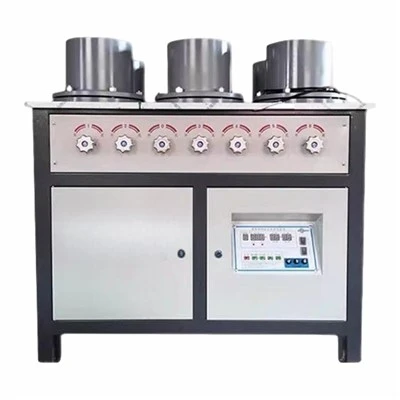
Testing Instrument As a supplier of laboratory instruments, I understand the importance of providing a comprehensive solution for your laboratory needs. Whether you are setting up a new laboratory or upgrading an existing one, we can offer a wide range of high – quality instruments and advice on chemical storage. If you are interested in learning more about our products or need guidance on creating a safe and efficient laboratory storage system, please feel free to contact us for a procurement consultation. We are committed to helping you build a laboratory that meets the highest standards of safety and functionality.
References
- "Prudent Practices in the Laboratory: Handling and Management of Chemical Hazards", National Academies Press.
- "Laboratory Safety for Chemistry Students", by Robert H. Hill, Jr. and David C. Finster.
- Chemical Safety Data Sheets provided by chemical manufacturers.
Hebei Wanluda Testing Instrument Equipment Co., Ltd.
As one of the most professional laboratory instruments manufacturers and suppliers in China, we have world-leading production equipment and strong manufacturing capabilities. Please rest assured to buy advanced laboratory instruments made in China here from our factory.
Address: Zhouguantun Village, Xian County, Cangzhou City, Hebei Province, P.R.China
E-mail: wldinstrument@163.com
WebSite: https://www.wldinstrument.com/
