Flooding is a natural disaster that can cause significant damage to properties and endanger lives. One of the most effective and widely used methods to mitigate flood damage is the strategic use of flood control sandbags. As a supplier of flood control sandbags, I’ve witnessed firsthand the importance of proper sandbag stacking. In this blog, I’ll share some essential tips and techniques on how to stack flood control sandbags correctly to maximize their effectiveness. Flood Control Sandbags
Understanding the Basics of Flood Control Sandbags
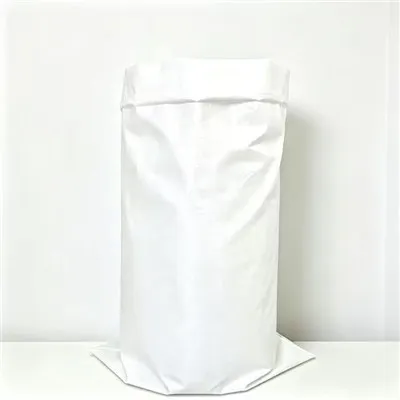
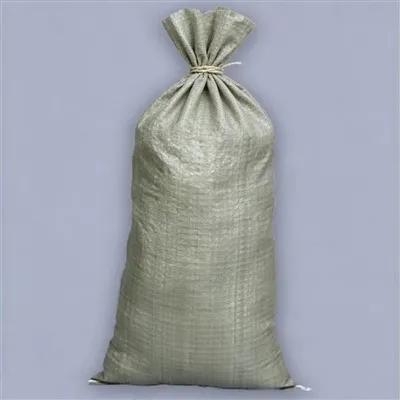
Before delving into the stacking process, it’s crucial to understand the role of flood control sandbags. These sand – filled bags act as a physical barrier, redirecting or slowing down the flow of floodwater. They are typically made of durable materials such as burlap or polypropylene, which can withstand the pressure of water and the elements.
The sand inside the bags provides weight and stability. When stacked properly, the sandbags create a solid wall that resists the force of the flood. However, it’s important to note that sandbags are not a permanent solution but rather a temporary measure to protect against rising waters.
Preparing for Sandbag Stacking
Gathering the Right Materials
As a sandbag supplier, I always emphasize the importance of quality materials. You’ll need:
- Sandbags: Ensure you have an adequate number of sandbags. The quantity depends on the length and height of the barrier you need to build.
- Sand: Use clean, coarse sand. Fine sand may leak through the bag, and organic matter in the sand can cause the bag to deteriorate faster.
- Shovels: Having enough shovels for filling the sandbags is essential. Flat – bladed shovels work best for scooping sand.
- Gloves: To protect your hands from the rough edges of the sandbags and the gritty sand.
Assessing the Site
Before you start stacking, assess the area where you’ll be building the sandbag wall. Look for the direction of the water flow, low – lying areas, and any potential weak points. The site should be relatively flat and free of debris to ensure the stability of the sandbag wall.
Filling the Sandbags
Filling the sandbags correctly is the first step in creating an effective flood barrier.
- Open the bag: Hold the sandbag open at the top, making sure it’s fully expanded.
- Fill to the right level: Fill the sandbag about two – thirds full. This allows the bag to be flexible enough to conform to the shape of the other bags when stacked, while still providing enough weight.
- Tie the bag: Use twine or a bag tie to secure the top of the sandbag. Make sure the tie is tight to prevent the sand from spilling out.
Stacking the Sandbags
The First Layer
- Base placement: Start by laying the first layer of sandbags flat on the ground, perpendicular to the direction of the water flow. The open end of the bag should face up and be placed towards the water source. This helps to prevent water from seeping under the bags.
- Stagger the joints: Just like in bricklaying, stagger the joints between the sandbags in the first layer. This provides better stability and reduces the chances of water seeping through the gaps.
Subsequent Layers
- Offset the bags: For each subsequent layer, place the sandbags in an offset pattern on top of the previous layer. The center of each bag in the upper layer should be directly over the joint of the two bags in the layer below. This interlocking pattern distributes the weight evenly and strengthens the wall.
- Compact the bags: As you stack the bags, gently press down on each one to compact the sand inside. This helps to create a more solid and stable wall.
Building a Wall
- Height and slope: For a stable wall, build it at a slope of about 1:1 (for every 1 foot of height, the base should extend 1 foot). This prevents the wall from toppling over under the pressure of the water. The maximum height of a sandbag wall should generally not exceed 3 feet without additional support.
- Creating a curve: If possible, create a slight curve in the sandbag wall. A curved wall can better withstand the force of the water compared to a straight one.
Sealing the Edges
- Overlap the edges: Make sure the edges of the sandbag wall overlap properly. This helps to prevent water from bypassing the wall. You can also use additional sandbags to reinforce the corners and edges of the barrier.
Maintaining the Sandbag Wall
Once the sandbag wall is built, it’s important to monitor and maintain it regularly.
- Check for leaks: Inspect the wall for any signs of water seepage. If you notice a leak, you can try to patch it by adding more sandbags or using a waterproof sealant.
- Re – stack damaged bags: If any sandbags are damaged or displaced, re – stack them as soon as possible to maintain the integrity of the wall.
- Monitor the water level: Keep an eye on the water level. If the water continues to rise, you may need to add more layers of sandbags to the wall.
Common Mistakes to Avoid
- Over – filling the bags: Over – filled sandbags are difficult to stack and may not conform well to the shape of the other bags, leaving gaps in the wall.
- Not staggering the joints: Failing to stagger the joints between the sandbags can weaken the wall and make it more susceptible to water penetration.
- Building on an uneven surface: A sandbag wall built on an uneven surface is more likely to collapse. Always ensure the site is level before starting to stack.
Conclusion
Properly stacking flood control sandbags is a critical skill when it comes to protecting properties and lives from the devastating effects of flooding. By following these guidelines, you can build a strong and effective sandbag barrier.
Poly Bag Agriculture As a flood control sandbag supplier, I am committed to providing high – quality products and useful knowledge to help you in your flood prevention efforts. If you are in need of flood control sandbags for your next flood protection project, or if you have any questions about our products, feel free to contact me for a free consultation and to discuss your specific requirements. We can assist you in determining the right quantity and type of sandbags for your situation, and provide valuable advice on proper sandbag use and maintenance.
References
- Federal Emergency Management Agency (FEMA): Flood Protection Handbook.
- National Oceanic and Atmospheric Administration (NOAA): Flood Mitigation Strategies.
Liaoning Xunlian Packaging Products Co., Ltd.
Liaoning Xunlian Packaging Products Co., Ltd. is one of the most professional flood control sandbags manufacturers and suppliers in China, featured by quality products and good service. Welcome to wholesale CE approved flood control sandbags made in China here and get quotation from our factory. Customized orders are welcome.
Address: Chaoyang Industrial Park, Kangping, Shenyang, Liaoning, China.
E-mail: info@xunlianpack.com
WebSite: https://www.xunlianpack.com/
