Hey there! I’m a supplier of Fluting Laminating Machines, and today I wanna chat about something super important: the influence of roller design on the laminating effect of these machines. Fluting Laminating Machine

Let’s start by understanding what a Fluting Laminating Machine does. It’s a key piece of equipment in the packaging industry, used to bond different layers of paper or cardboard together. The laminating process is crucial for creating strong, durable, and high – quality packaging materials. And the rollers play a huge role in making this process work well.
Roller Material and Its Impact
First off, the material of the rollers is a big deal. We’ve got different types of materials for rollers, like rubber, metal, and composite materials.
Rubber rollers are quite popular. They’re flexible, which means they can conform to the shape of the paper or cardboard being laminated. This flexibility helps in creating an even pressure distribution across the surface. When the pressure is even, the glue spreads uniformly, and the laminating effect is much better. For example, if you’re laminating a corrugated cardboard, the rubber roller can adapt to the uneven surface of the corrugations, ensuring that the top layer adheres firmly to the corrugated base.
On the other hand, metal rollers are known for their durability and high – precision. They can withstand high pressures and are less likely to deform over time. Metal rollers are great for laminating thick or rigid materials. However, they might not be as good at conforming to irregular surfaces as rubber rollers. So, if you’re laminating a material with a lot of texture, using a metal roller alone might result in some areas not being properly laminated.
Composite rollers are a mix of different materials. They try to combine the best of both worlds. They can have a hard core for strength and a soft outer layer for better surface contact. This type of roller can be a great choice for a wide range of laminating jobs, as it offers both durability and good conformability.
Roller Surface Design
The surface design of the rollers also has a significant impact on the laminating effect. Smooth rollers are the most basic type. They’re great for laminating materials that require a clean, even finish. When the rollers are smooth, there’s less friction between the roller and the material, which can prevent damage to the paper or cardboard.
But sometimes, we need a bit more grip. That’s where textured rollers come in. Textured rollers can have patterns like grooves, dots, or lines on their surface. These patterns increase the friction between the roller and the material, which helps in better alignment and movement of the materials during the laminating process. For example, if you’re laminating a thin, slippery paper, a textured roller can prevent it from slipping and ensure that the lamination is accurate.
Another important aspect of surface design is the surface hardness. A harder surface can provide more pressure during lamination, which is useful for bonding thick materials. However, if the surface is too hard, it might damage the material being laminated. So, finding the right balance of surface hardness is crucial.
Roller Size and Configuration
The size of the rollers matters too. Larger rollers can cover more surface area at once, which can increase the laminating speed. This is especially useful for high – volume production. However, larger rollers also require more power to operate and can be more expensive.
Smaller rollers, on the other hand, are more suitable for laminating small or delicate materials. They can provide more precise control over the laminating process. For example, if you’re laminating a small label or a thin sheet of paper, a smaller roller can ensure that the lamination is done accurately without causing any damage.
The configuration of the rollers is also important. In a Fluting Laminating Machine, there are usually multiple rollers working together. The way these rollers are arranged can affect the laminating effect. For example, having a pre – pressing roller before the main laminating rollers can help to remove air bubbles and ensure a better bond.
Roller Pressure and Speed
The pressure applied by the rollers is a critical factor. If the pressure is too low, the layers of paper or cardboard might not bond properly. There could be areas where the glue doesn’t spread evenly, resulting in weak spots in the lamination. On the other hand, if the pressure is too high, it can damage the material, especially if it’s a thin or delicate one.
The speed at which the rollers rotate also affects the laminating effect. A faster speed can increase the production rate, but it might not allow enough time for the glue to set properly. This can lead to a weaker bond. A slower speed, on the other hand, gives the glue more time to dry and bond the layers together, but it reduces the production efficiency. So, finding the right balance between pressure and speed is essential for achieving the best laminating effect.
Real – World Examples
Let me share a couple of real – world examples to illustrate the importance of roller design. One of our customers was having issues with laminating corrugated cardboard. They were using smooth metal rollers, and the lamination was uneven, with some areas not bonding properly. After we recommended switching to rubber rollers with a textured surface, the problem was solved. The rubber rollers conformed to the corrugations, and the texture provided better grip, resulting in a much more even and strong lamination.
Another customer was laminating thin, glossy paper for labels. They were using large rollers at a high speed, and the paper was slipping and getting damaged. We suggested using smaller rollers and reducing the speed. This allowed for more precise control and gave the glue enough time to set, resulting in a high – quality lamination.
Conclusion
In conclusion, the roller design has a huge influence on the laminating effect of a Fluting Laminating Machine. The material, surface design, size, configuration, pressure, and speed of the rollers all play important roles in ensuring a strong, even, and high – quality lamination.
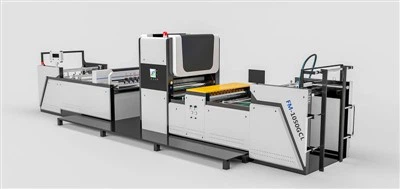
If you’re in the packaging industry and are looking for a Fluting Laminating Machine that can deliver excellent laminating results, we’re here to help. Our machines are designed with the latest roller technology to ensure the best possible laminating effect. Whether you’re laminating thick cardboard or thin paper, we’ve got the right solution for you.
Front Edge Die Cutter If you’re interested in learning more about our Fluting Laminating Machines or want to discuss your specific laminating needs, don’t hesitate to reach out. We’re always happy to have a chat and help you find the perfect machine for your business.
References
- Packaging Machinery Handbook: A comprehensive guide to different types of packaging machines, including Fluting Laminating Machines.
- Journal of Packaging Technology: Articles on the latest research and developments in the packaging industry, including roller design for laminating machines.
- Industry reports on the packaging machinery market, which provide insights into the trends and best practices in roller design for Fluting Laminating Machines.
Zhejiang Dai’s Printing Machine Co., Ltd.
Zhejiang Dai’s Printing Machine Co., Ltd. is one of the most experienced fluting laminating machine manufacturers and suppliers in China, also supports customized service. Please rest assured to buy bulk durable fluting laminating machine at low price from our factory. For pricelist, contact us now.
Address: No. 797, Nanming Road, Shuige Industrial Park, Liandu District, Lishui City, Zhejiang Province, P.R. China
E-mail: 3376094828@qq.com
WebSite: https://www.dais-machine.com/
