Yo, fellow tech enthusiasts! I’m here as a switching diode supplier to dig into a super important topic: What is the maximum power dissipation at high temperature of a switching diode? Switching Diode
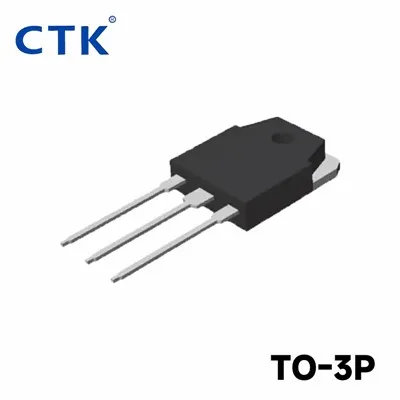
First off, let’s get the basics down. A switching diode is a tiny but mighty component in the electronics world. It’s designed to quickly switch between conducting and non – conducting states. This feature makes it absolutely essential in a wide range of applications, from power supplies to signal processing in communication devices.
Now, power dissipation. Simply put, it’s the amount of power that a diode can handle before things start to go south. In a switching diode, power dissipation mainly happens due to the voltage drop across it when it’s conducting current and the reverse leakage current when it’s in the non – conducting state.
At normal temperatures, say around room temperature (about 25°C), a switching diode has a certain rated power dissipation. But here’s the kicker: as the temperature rises, things change. High temperatures can really mess with a diode’s performance and its ability to handle power.
One of the main reasons for this is the increase in reverse leakage current. At high temperatures, the semiconductor material inside the diode becomes more conductive, even in the reverse – biased state. This means that more current leaks through the diode when it’s supposed to be off. And as the leakage current increases, so does the power dissipated in the form of heat.
For example, let’s say we have a switching diode with a rated power dissipation of 500 milliwatts at 25°C. As the temperature goes up, the reverse leakage current might double or even triple. This additional current flow leads to more power being wasted as heat. So, if we keep pushing the diode to its limit at high temperatures, it can overheat. And when a diode overheats, it can malfunction, leading to unreliable performance in the circuit.
Another factor that affects power dissipation at high temperatures is the forward voltage drop. As the temperature increases, the forward voltage drop across a switching diode tends to decrease slightly. While this might seem like a good thing at first, it can actually lead to more current flowing through the diode when it’s conducting. And more current means more power dissipation.
So, how do we figure out the maximum power dissipation at high temperatures? Well, manufacturers usually provide a power derating curve in the datasheet of the switching diode. This curve shows how the maximum power dissipation decreases as the temperature goes up.
Let’s take a look at an example. Suppose the datasheet of our switching diode shows that at 25°C, the maximum power dissipation is 1 watt. But as the temperature rises to 100°C, the same diode might only be able to handle 500 milliwatts of power. The derating curve helps us understand this relationship between temperature and power dissipation.
There are also some practical implications of these high – temperature power limitations. In applications where the switching diode is operating in a high – temperature environment, like in automotive engine compartments or industrial control systems, we need to be extra careful. We might need to use heat sinks or choose a diode with a higher rated power dissipation to ensure reliable operation.
As a switching diode supplier, I get a lot of questions from customers about this. They want to know if their diodes can handle the high – temperature conditions in their applications. And my advice is always to check the datasheet carefully. Look at the power derating curve and make sure to choose a diode that can handle the power requirements at the expected operating temperature.
If you’re designing a circuit that requires switching diodes to operate at high temperatures, it’s also a good idea to do some testing. You can use thermal chambers to simulate high – temperature conditions and measure the actual performance of the diodes. This way, you can be more confident in the reliability of your design.
Now, let’s talk about some common misconceptions. Some people think that if a diode has a high rated power dissipation at room temperature, it can handle the same power at high temperatures. That’s just not true! The maximum power dissipation really depends on the temperature, and as we’ve seen, it decreases as the temperature goes up.
Another misconception is that all switching diodes are the same when it comes to high – temperature performance. In reality, different manufacturers use different materials and manufacturing processes, which can lead to significant differences in how well a diode can handle high temperatures and power dissipation.
As a supplier, I offer a wide range of switching diodes. We have diodes that are specifically designed for high – temperature applications. These diodes are made with materials that can withstand extreme heat and still maintain reliable performance.
If you’re in the market for switching diodes, especially ones that need to work at high temperatures, I’d love to have a chat with you. Whether you’re working on a small electronics project or a large – scale industrial application, we can help you find the right diodes for your needs.
Don’t hesitate to reach out to me to discuss your requirements. We can talk about your specific application, the expected temperature range, and the power requirements. I can provide you with detailed information about our products and help you make an informed decision.
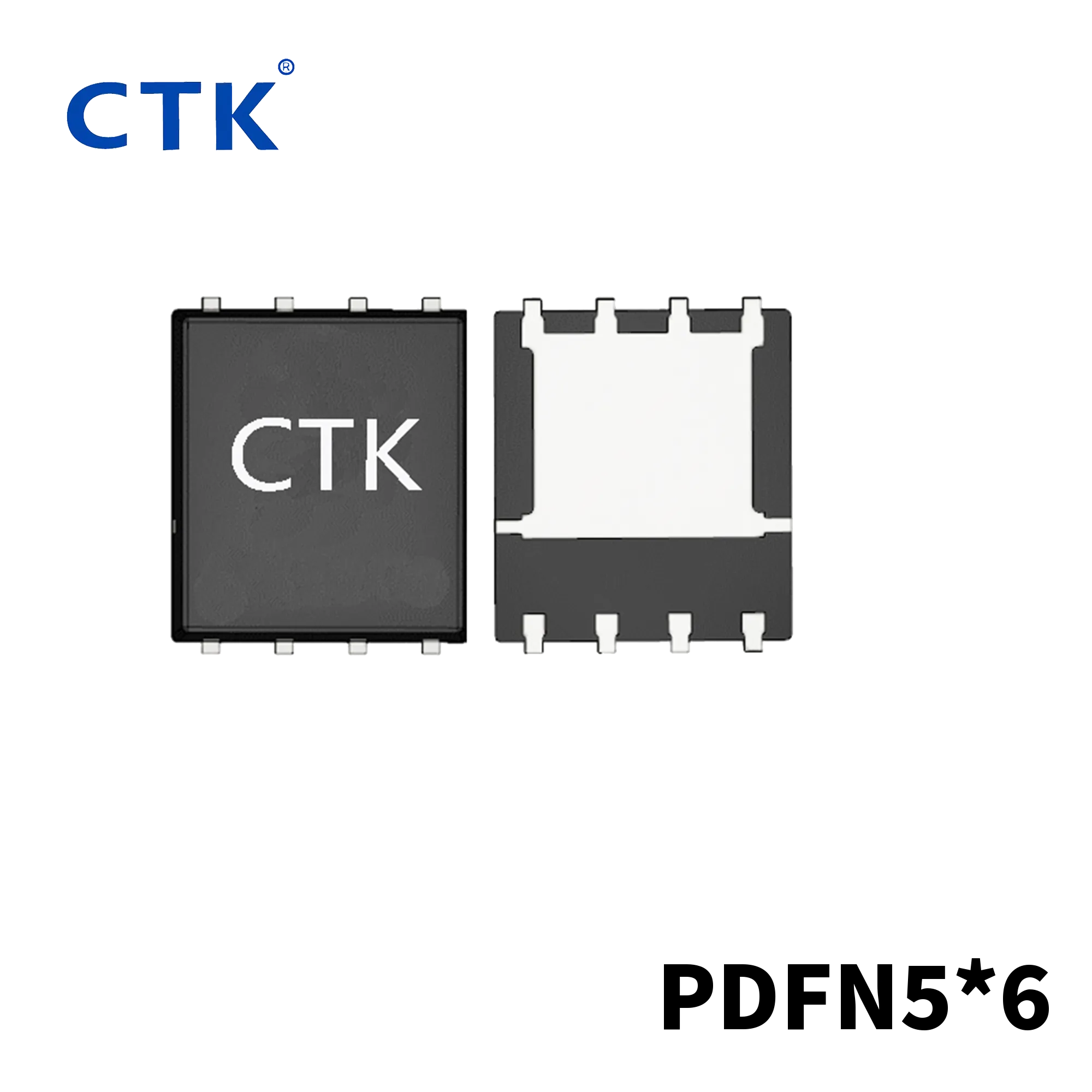
In conclusion, understanding the maximum power dissipation at high temperature of a switching diode is crucial for anyone working with electronics. By being aware of the factors that affect power dissipation at high temperatures, you can design more reliable circuits and avoid potential problems.
Transistors References:
- Common semiconductor device textbooks
- Datasheets of various switching diodes from well – known manufacturers
Tongke Electronic Co., Ltd
Tongke Electronic Co., Ltd. is one of the most experienced switching diode manufacturers and suppliers in China, featured by quality products and low price. Please rest assured to wholesale advanced switching diode made in China here from our factory. Contact us for pricelist.
Address: No.3,Chayuan Rd, Street 3, AilingKan, Dalingshan, Dongguan, Guangdong, China.
E-mail: jack@ctk-elec.com
WebSite: https://www.ctkchip.com/
